So when is the best time of year for a bit of Great Barrier Reef snorkelling in Queensland? The answer for most is the dry season between June and October; you will have calmer seas, less humidity, better water clarity and not as many weather surprises to contend with. Make it August or September and you have the short answer: safe all-round months for good visibility and day-trip conditions on the reef.
But do not take Harper Wainwright’s word for it that there is one magic month for everybody. It comes down to your priorities. Are you after warmer water, wildlife, to keep stingers and rain at bay, or just to put in a reef trip during the one week you are off work?
Then there is the size of the Great Barrier Reef to factor in. You will find different conditions in the Whitsundays from what you get in Cairns or Port Douglas, and the outer reef is not the same as the inner. For those interested in reef day trips from Queensland, what might be rough going from one departure point can be no trouble at all elsewhere, particularly if the operator is taking you to a more sheltered spot.
Why Timing Is Everything
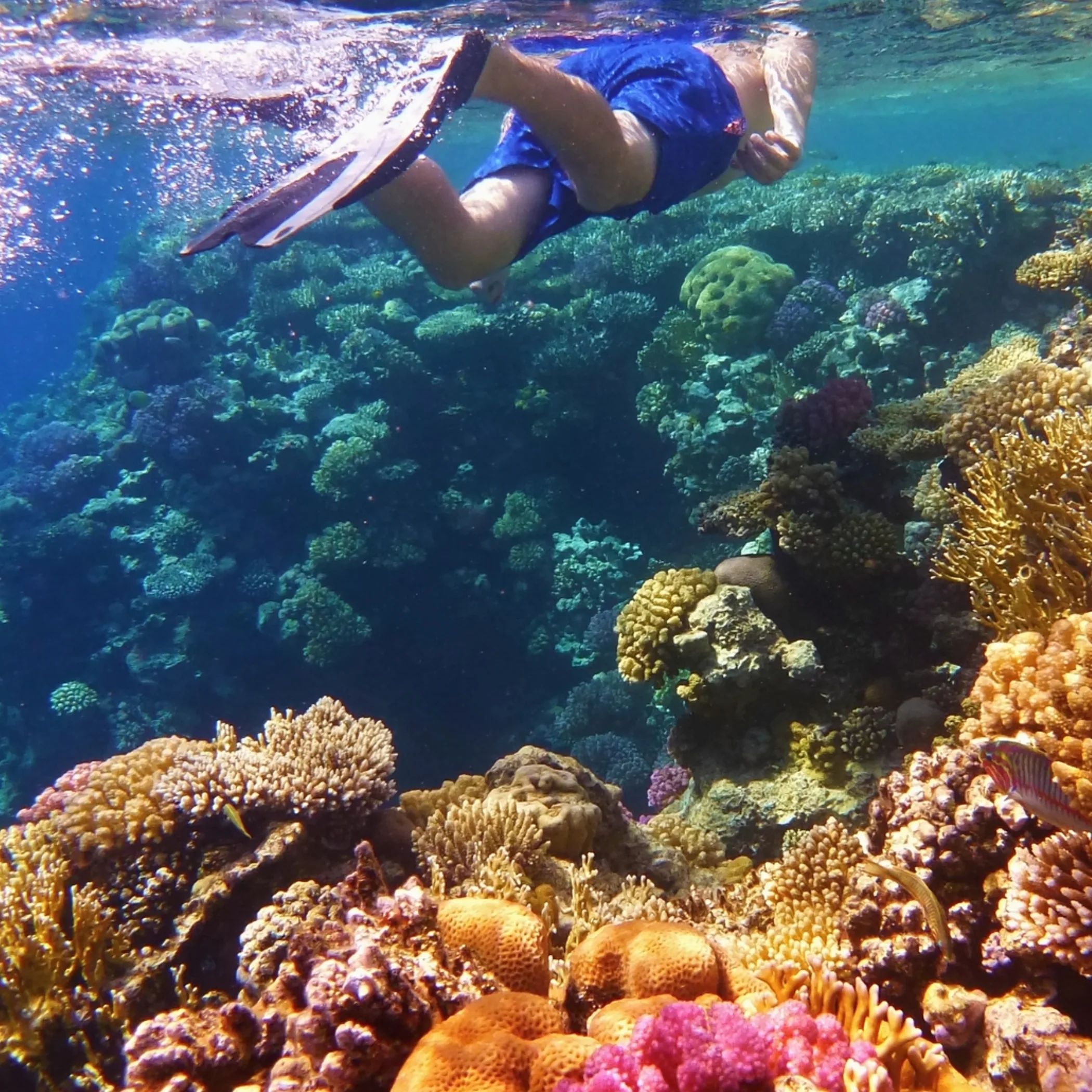
It is not merely a case of having some sun. Once you put your face in the water, tides, wind, cloud cover and the like will determine what you see. An overcast morning with a calm sea can put on a show of colour underwater where a postcard-blue day on land has left things choppy offshore.
Harper Wainwright sees it happen time and again. Travellers will be preoccupied with the air temperature and then are taken aback by a summer downpour or swell, or have to make stinger provisions. The transfer to the reef can become a rollercoaster.
A Quick Answer On The Months
Plan for the waters of the Great Barrier Reef in June through to early October and you are in the dry season (May to October) where cyclone risk is lower and comfort and visibility are at a premium.
For a lot of people, an August or September visit is ideal. Tours are running as they should, the sea is a reasonable temperature for a wetsuit or stinger suit and you are not as prone to cancellations as in the wet.
The Best Months In Brief
Put aside the brochure and here is the reality. Winter and the early part of spring are without question the easiest on families, first-timers and those who would rather not be thrown about on a catamaran before they have had lunch.
| Period | Typical Conditions | Best For | Watch Outs |
| May | Mild air and the seas are calming as the dry gets under way | Shoulder season value and comfort | Can be variable coming off the wet |
| June To August | Lower humidity, drier and clearer | Visibility, easier days on the boat, first-timers | Water and mornings are cooler |
| September To October | Stable and warm with good visibility | Whale watching, all-round best | Tends to be busy |
| November To December | Humidity builds, warmer water | Fewer cool breezes | Rain becomes a possibility, stinger season on the GBR is upon you |
| January To April | Hotter and wet, with cyclone risk | If you are flexible and want a deal | Rough weather, stingers and you will not see as well |
Dry Season: Less Fiddly
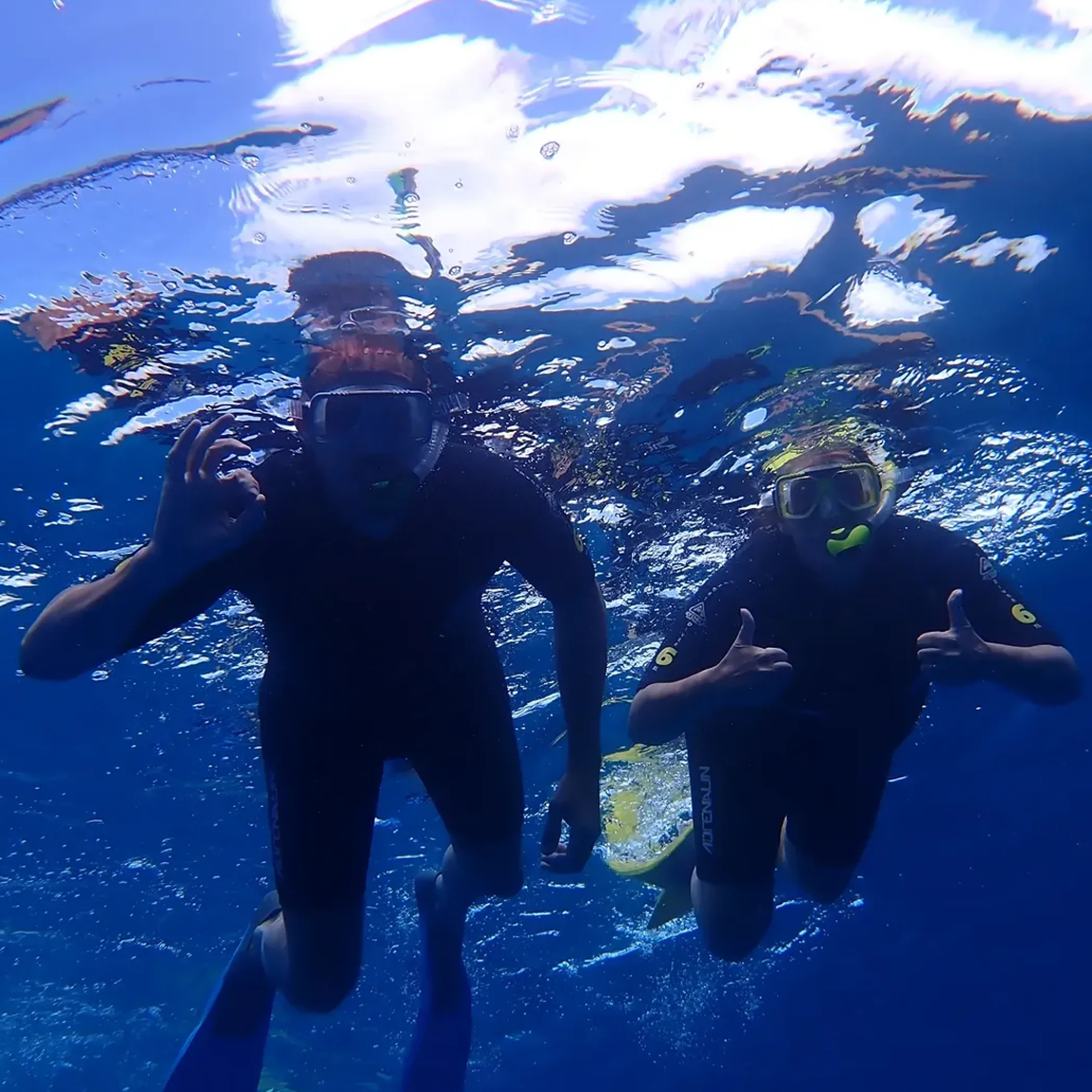
From May to October the dry is the safest call. There are fewer variables to worry over in your reef planning, be it heavy rain or anything to do with the Australian Tropical Cyclone Season. When asked by clients for her take on the best time to snorkel the Great Barrier Reef, this is where Harper Wainwright will direct them. Summer has its place but the dry affords you the kind of day one envisions in making a booking.
In the dry the winds are lighter and skies more open so visibility is enhanced, in particular at the outer reef pontoons. The ride out is more pleasant as well, something travellers tend to appreciate once they are holding on to a rail and regretting breakfast. And the beginner is catered for. Open water can be a source of nerves for some, and in that case the more placid seas will see you following the guide, floating and clearing your mask with less of an effort. But it is not merely a matter of getting a good photo; one has to have the confidence to put in the time on the reef to get any enjoyment from it.
Wet Season: A Matter of Flexibility
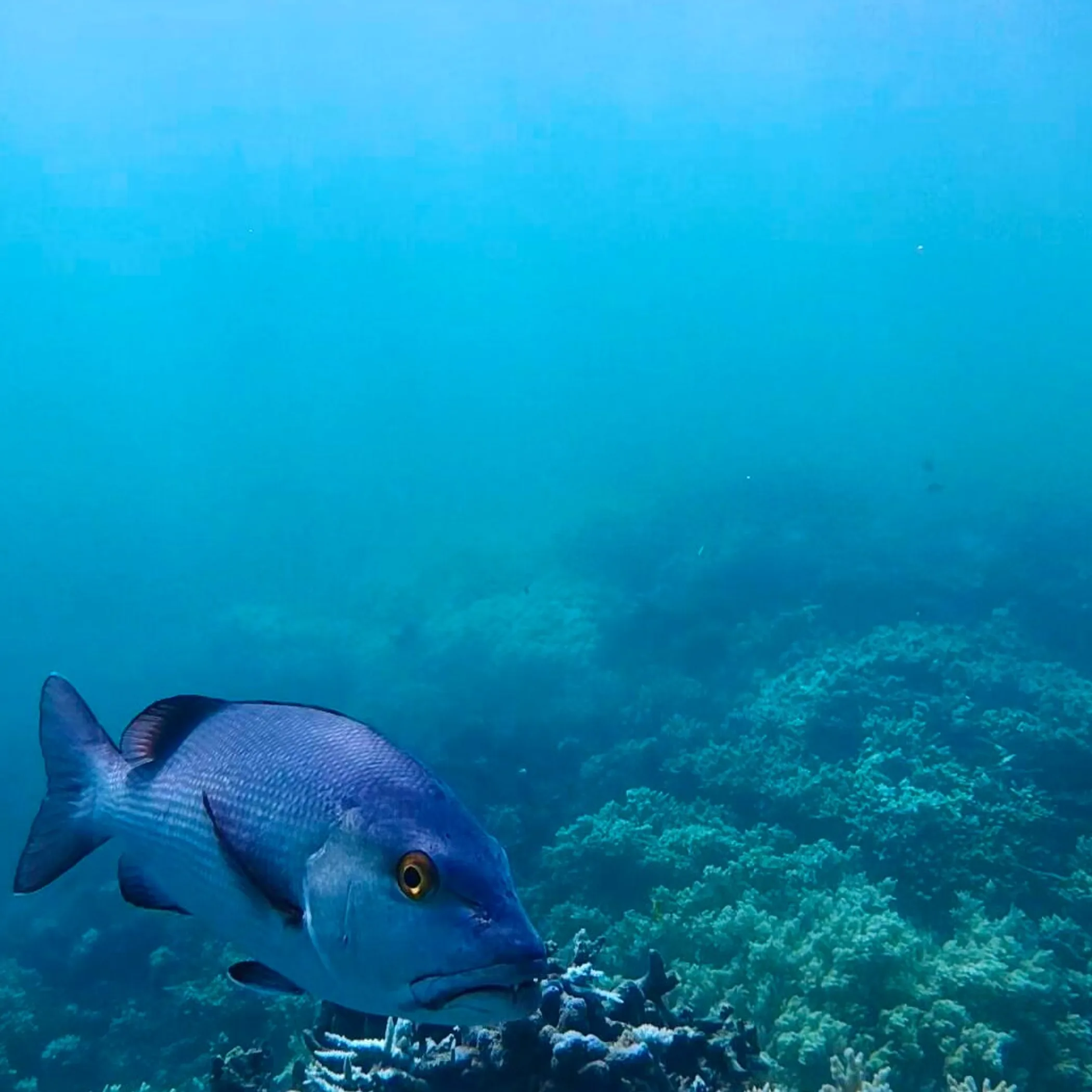
The wet season, running from November through April, is no reason to rule out Great Barrier Reef waters, yet it will demand more of the visitor. You must be flexible and temper your expectations, prepared for the weather to put paid to your plans in short order. Then there are the summer days that are nothing if not glorious; with warm water and a tropical sky and little in the way of cool breezes, snorkelling is a pleasure. In the end, how you plan for the wet as opposed to the dry season is down to your risk tolerance and whether you are content to forgo a degree of comfort and predictability for the warmth and perhaps lower cost.
What to make of a Summer visit
Rainfall is higher in the summer and this will cut visibility at inner reef sites near the mainland where runoff is felt most. The outer reef may still offer fine conditions but the route your operator takes is of greater consequence in summer than is often thought.
And it is stinger season in these parts. While operators will put a stinger suit at your disposal, it is best to put it on when told. One does not want to think oneself hardier than a jellyfish and find the experience undignified.
Cairns, Port Douglas and the Whitsundays
All three are viable places to put in for the Great Barrier Reef but once travel time and the type of tour come into play they are not interchangeable. Harper Wainwright would have it that you should be as pragmatic about your base as you are about the view. There is not much point in the finest accommodation if it means a pre-dawn scurry to the reef without so much as a proper coffee.
Cairns For Variety
Cairns is where you will find variety in day trips and liveaboards and access to the outer reef. For the first-timer or the budget traveller it is generally the simplest option with its central lodging, airport links and the number of departures on offer. Self-drivers should not count on finding a parking space in central Cairns five minutes to boarding on a busy morning, better to build in some time.
Port Douglas For Shorter Transfers
Many a snorkeller favours Port Douglas for the slightly more laid back air of a holiday compared to Cairns while the boats will still take you to the Low Isles and beyond. It is convenient enough if you are already put up there and a sound choice for families and couples who want a well put together day sans the city hassles. A full day of snorkelling will run you a few hundred dollars an adult or thereabouts, the price being a function of the vessel, the inclusions and the time of year.
Whitsundays For Scenery
Here you have island scenery and white-sand excursions to go with your snorkelling, making for a day with more to it than a straight outer reef outing. If you are after a bit of sailing and beach time as well as the reef, it is excellent. Do bear in mind that the emphasis on some tours is the day out as a whole and not necessarily the very best coral. Make sure you have read the itinerary and enquired as to whether they head to the outer reef or remain in closer quarters if underwater visibility is what you are after.
Wildlife and the seasons
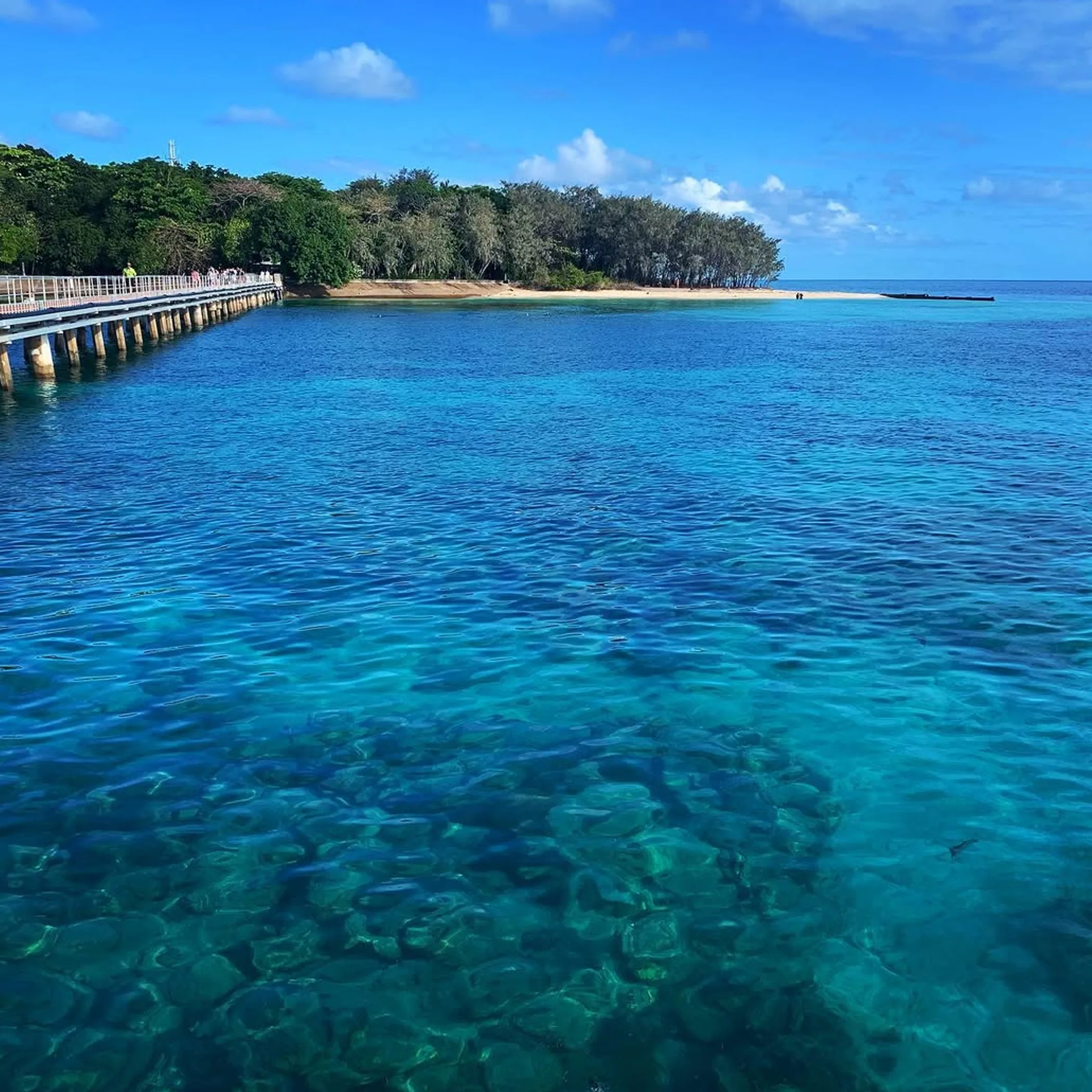
There is a certain amount of nuance to planning the Great Barrier Reef beyond the “winter is good, summer is bad” adage. The best time for wildlife is not invariably the same as when the seas are flat, and the reef is different from month to month which is part of the appeal. On a clear day the fish show themselves from the surface and the coral detail is there to be seen; even the nervous sort of swimmer will put his mind at ease quicker.
Seasonal highlights
- June To September: Conditions are for the most part easy, sea temperature is cooler though not uncomfortable, water is clear and in some regions humpback whales are to be seen.
- October To December: Marine life is active and the water is warmer, with the odd chance of coral spawning in some years, but the heat is on and stingers are a consideration.
- November To March: Parts of Queensland have turtle nesting activity, although not all snorkel excursions will coincide with the nesting beaches.
- May To October: Manta rays may be seen in some areas depending on local conditions and sites, though sightings are never guaranteed.
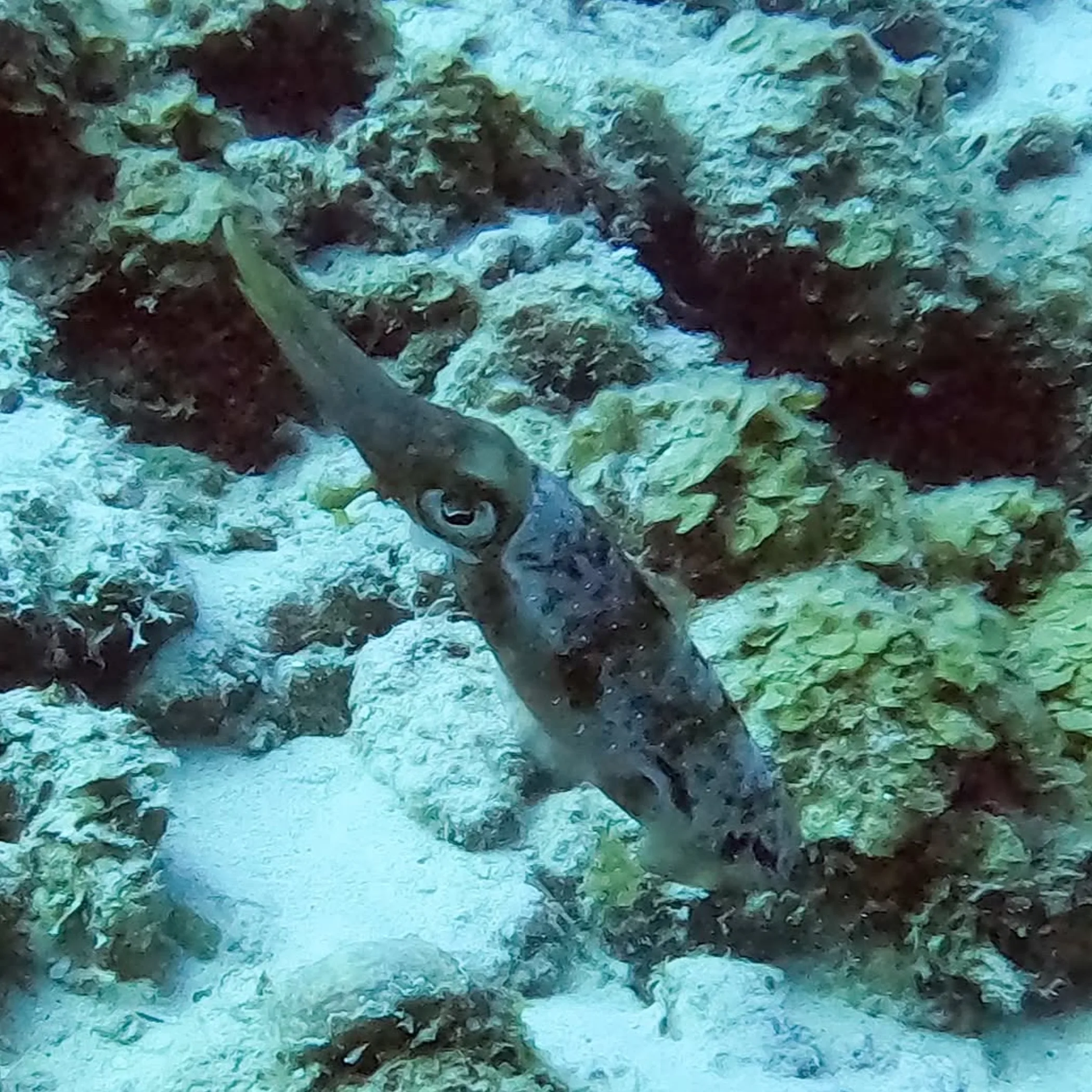
There is a difference between what is expected and the reality. Many a traveller has the notion that thirty seconds into a snorkel will have them in a wildlife documentary. The reef may be generous but it is nature, not some theme park; whether you see anything comes down to the site, the guide, the current and the weather, or simply luck.
Ordinary Conditions
January to March is the time of highest risk for a visit to the Great Barrier Reef to do some snorkelling. Not that one will find every day wanting, but it is when you are most open to cyclone activity, poor visibility and inclement weather. A cautious planner would be wise to consider this season a potential hindrance. Harper Wainwright prefers to be blunt about it rather than put forward the idea that any given month is as good as another.
Stingers, Murky Water And Cyclones
In the warmer months you have to factor in marine stingers when making plans. Heed the operator on matters of reef safety and stinger suits in summer; being on a boat does not put an end to the risk.
The Australian Tropical Cyclone Season runs through the warmer months, typically from November to April. Even when no cyclone makes landfall near your departure point, offshore swell and local weather systems can still cancel or alter trips. For current marine forecasts and warnings, check the Bureau Of Meteorology marine forecasts and warnings before your trip.
A Day On The Reef
Reef day trips out of Queensland are easy to talk about but the one you pick should be a function of how much top notch coral visibility you require, your ability in the water and the like. Do not make the error of some and book by price. Harper Wainwright has had it with travellers who go for the cheapest and find themselves crammed in with sardines and more time in transit than in the water. An extra outlay can be worth it for a superior day, something better marketing alone cannot provide.
Outer or inner reef?
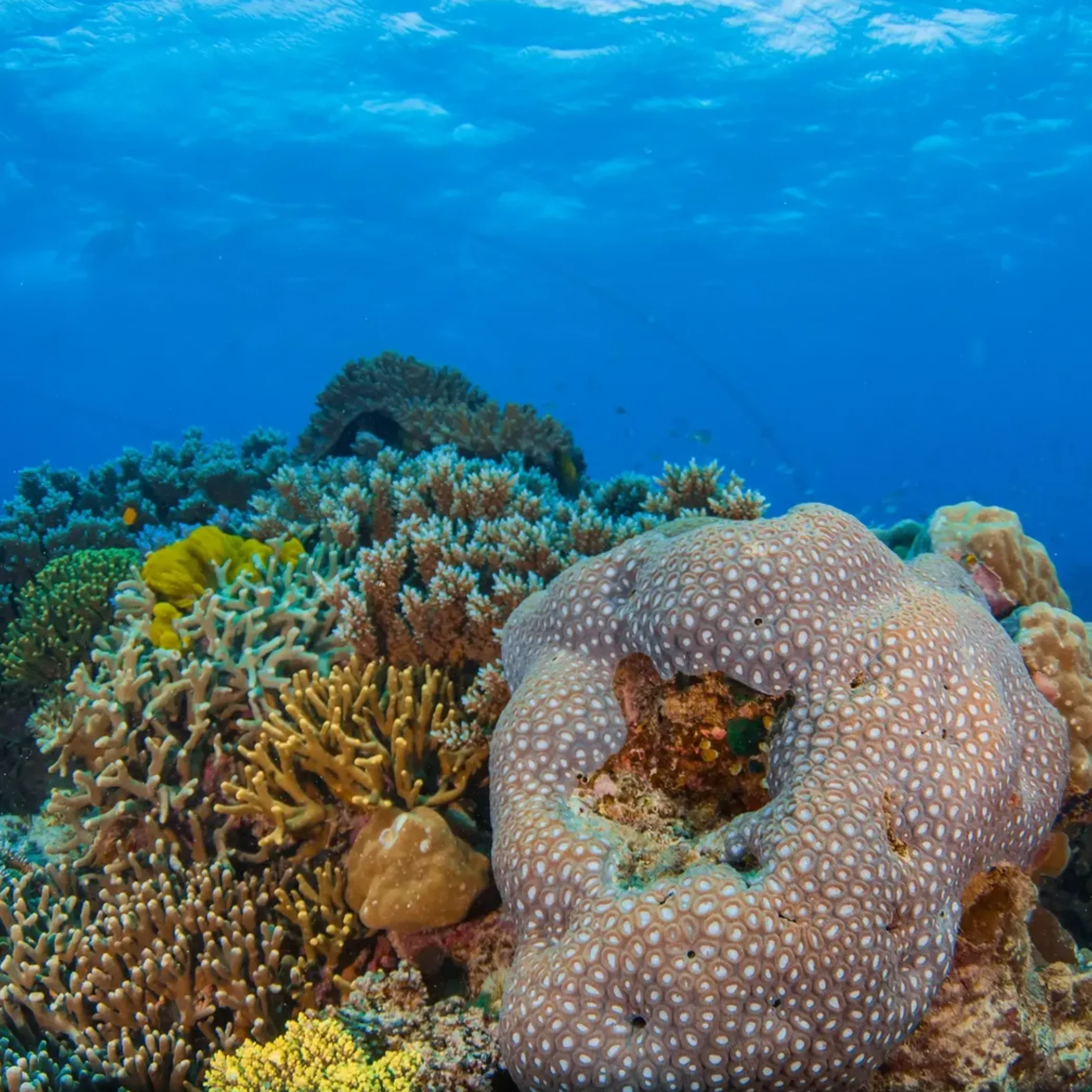
Outer reef vs inner reef matters. Outer reef trips often deliver clearer water and more impressive coral structure, especially after rain, but the ride can be longer and more exposed. Inner reef or island trips can be gentler and more scenic above water, though visibility can be more variable.
If you only have 1 day and snorkelling is the main goal, prioritise a reputable outer reef trip from Cairns or Port Douglas during the dry. If your group includes nervous swimmers or people who mainly want a relaxed sightseeing day, a Whitsundays sailing trip with snorkel stops may suit better.
Some Practicalities
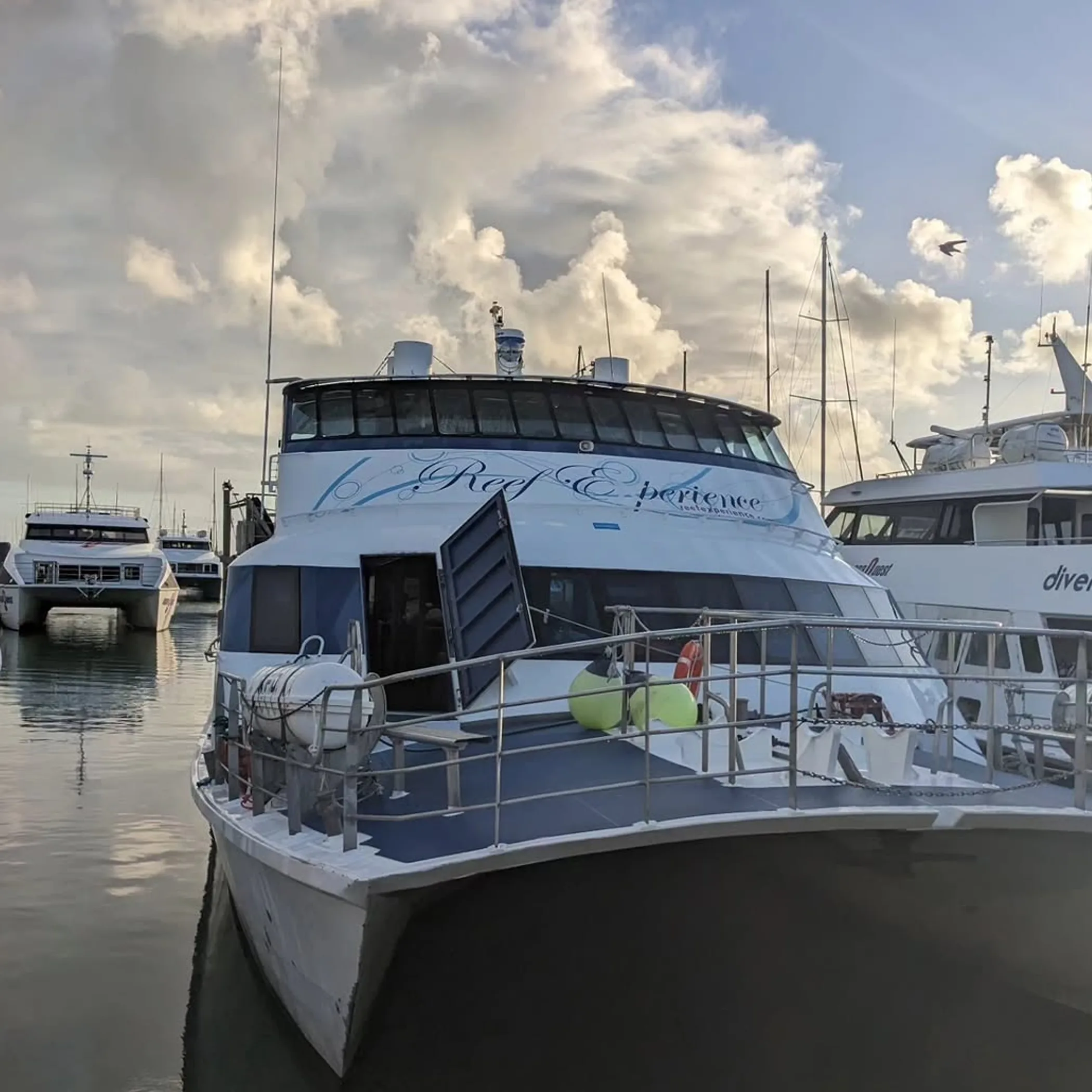
Glossy guides have a habit of skimming over this yet it is what can ruin or save the day. Even in the prime months for the Great Barrier Reef a modicum of planning is called for with regard to transport and physical comfort. Full-day trips get an early start so you will want to be checked in well ahead of time. Make sure your parking and sea-sickness tablets and breakfast are in order the evening prior; it is no use trying to sort it all out at the marina with a flipper protruding from your tote bag.
Booking and Packing
- Make your bookings in advance for the June to October period, September weekends and school holidays in particular.
- For your kit, bring a rash shirt (or make use of the suit on hand), some reef-safe sun block, a towel, water bottle and dry attire for the journey back.
- A word on motion sickness: if there is any tendency at all, consider it a “yes, I am prone to it on boats”. It is something that will catch you off guard time and again.
- You should enquire as to how much of the itinerary is devoted to actual snorkelling versus the trip length overall, and find out if prescription masks, flotation devices or instruction for beginners are part of the package.
- By way of an indication, expect to pay in the region of AUD 220 to over 400 per adult for a full-day tour; the vessel, season and what is included will determine the price.
Then there are premium offerings like Reefsuites or Reefsleep which are in another budget league altogether, more for an overnight immersion with the reef than an ordinary day out.
It is not for everybody. Those with unmanaged seasickness or who need the certainty of a glassy lagoon may find an outer reef excursion to be an ordeal if open water is not to their liking. But in the dry season a guided tour will suit an active family, first-timers with an inquiring mind or any reasonably good swimmer.
Harper’s view on the matter
To have the best of everything, put in your Great Barrier Reef booking for August or September, with the stretch from June to October being the safe bet. One is then most likely to have calm seas, decent visibility and heat that is not oppressive, without too many weather issues.
Should summer be the only time available, do not count it out. Be a little croc-wise about it: put on the stinger suit, be selective with operators and be prepared for the odd weather event. The reef can be as good as the brochure makes it seem. In the end the finest trips are those you plan with your eyes open.
FAQ
What month is best for a Great Barrier Reef snorkel?
All told, one would say August and September. You get reliable operations, less chance of rain and comfortable conditions along with the visibility on the reef.
Cairns or Port Douglas?
Cairns has the edge for convenience and choice, particularly with just a day to spare. But if you are already in Port Douglas it is hard to beat for strong access to the reef and a more leisurely start.
When is it not worth going?
January through March tends to be the least dependable, what with the humidity, heat, cyclones and marine stingers. There are some fine days but you cannot be sure.
Where to go?
Outer reef locations from Cairns or Port Douglas will give you the best of it in the dry, in the opinion of most. The Whitsundays are a good option if you want some beach scenery to go with the snorkelling.
Is a stinger suit a must?
In the warmer months you would be well advised to don one when the tour puts it forward. The risk is there depending on where and when you are, and it is not a good gamble to forgo it to avoid looking daggy in lycra.