One need not look far to find the requirements for working at heights in Australia can be a puzzle; there is no one “working at heights licence” of national standing that applies to all jobs. What an employer has to do is put in place appropriate controls for any fall risks, make sure their people are up to the task and see that training is in order for the work, the equipment and the environment they are in.
In this guide I set out the ins and outs of safe working at heights training in Australia: what it entails, when you will need it, the difference between a certificate and a high risk work licence and the onus on employers to put things in writing. Harper Wainwright here, and I have put it down in plain English as height safety documentation has a way of being rough as guts if someone does not tell you what is important.
The Core Of The Matter
Your obligations under Australian WHS height safety rules are dictated by the Work Health and Safety Act and WHS regulations of the state or territory, with codes of practice and Australian Standards to back them up. While jurisdictions may put it in different words, the duty is the same: a business has to manage the risk to its workers and anyone else the work might impact.
Safe Work Australia is there for national guidance but is no substitute for local law. If you are operating in Queensland, NSW, Victoria, WA, SA, Tasmania, the ACT or the Northern Territory, check the rules of where the job is being done.
More Than Just A Card To Show
You cannot say a person is competent on the strength of a certificate alone. It takes knowledge, some experience and the know how to spot and deal with hazards.
A worker might have his basic fall prevention training but still require further instruction before he is let near a roof anchor or fragile sheeting, or to run an elevated work platform. The training has to suit the job; a laminated card will not save you from a bad plan.
Necessity For Training
If there is a possibility of a worker falling from one level to another with injury to show for it, training is called for. Do not expect a national height threshold to make the decision for you in every case.
The distance is not the only factor; a modest drop next to hard concrete, traffic, water or moving plant can be serious enough. Any work on ladders, scaffolding, open shafts or at the edge of a roof calls for assessment.
Jobs Where Training Is In Order
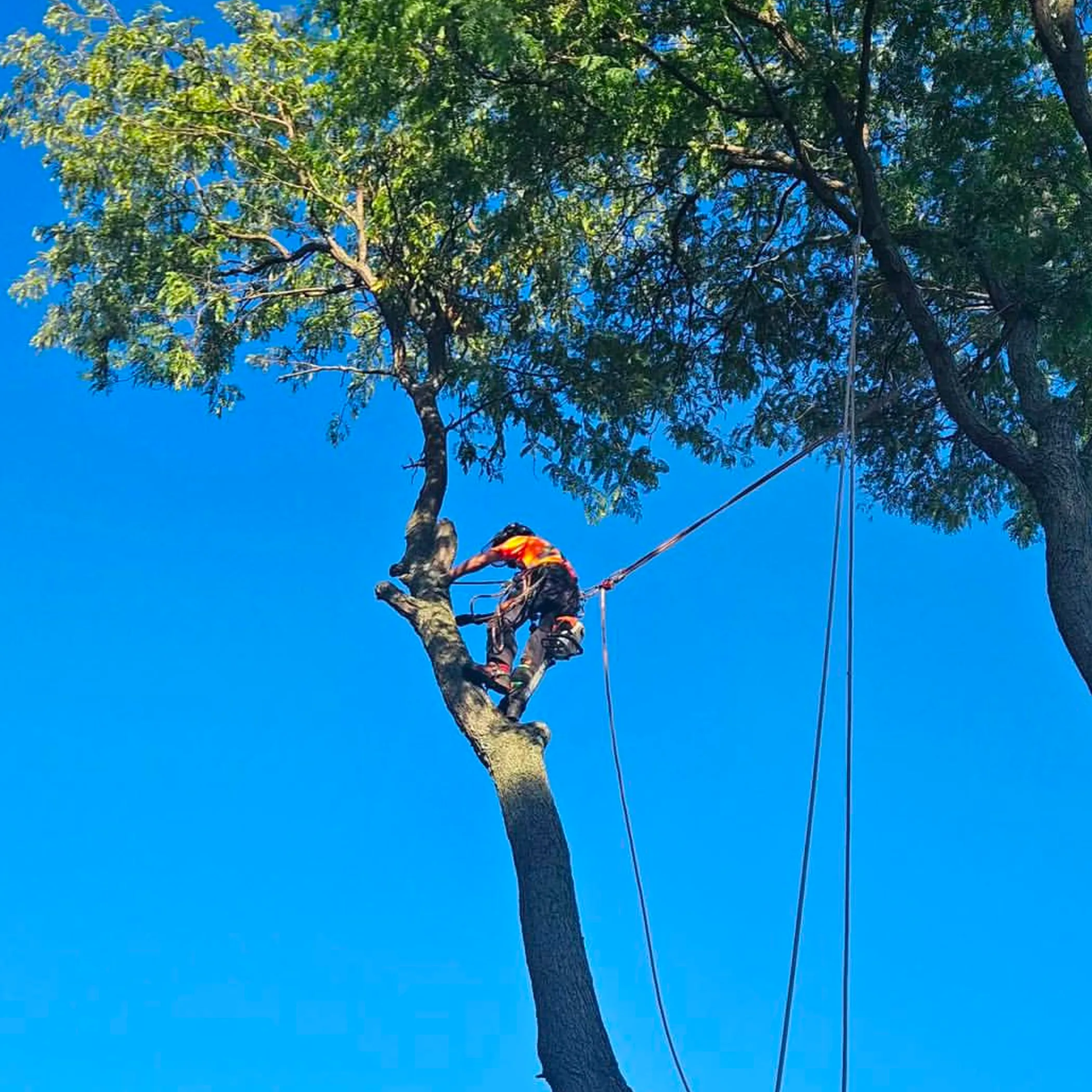
You will see it in construction, civil works, maintenance, solar installation, telecommunications, tree work and the like. Change of task, new conditions or unfamiliar equipment will also warrant it. Someone who has been around a flat warehouse roof is not necessarily fit to be on a steep, wet one in the rainy season.
What To Expect From A Good Course
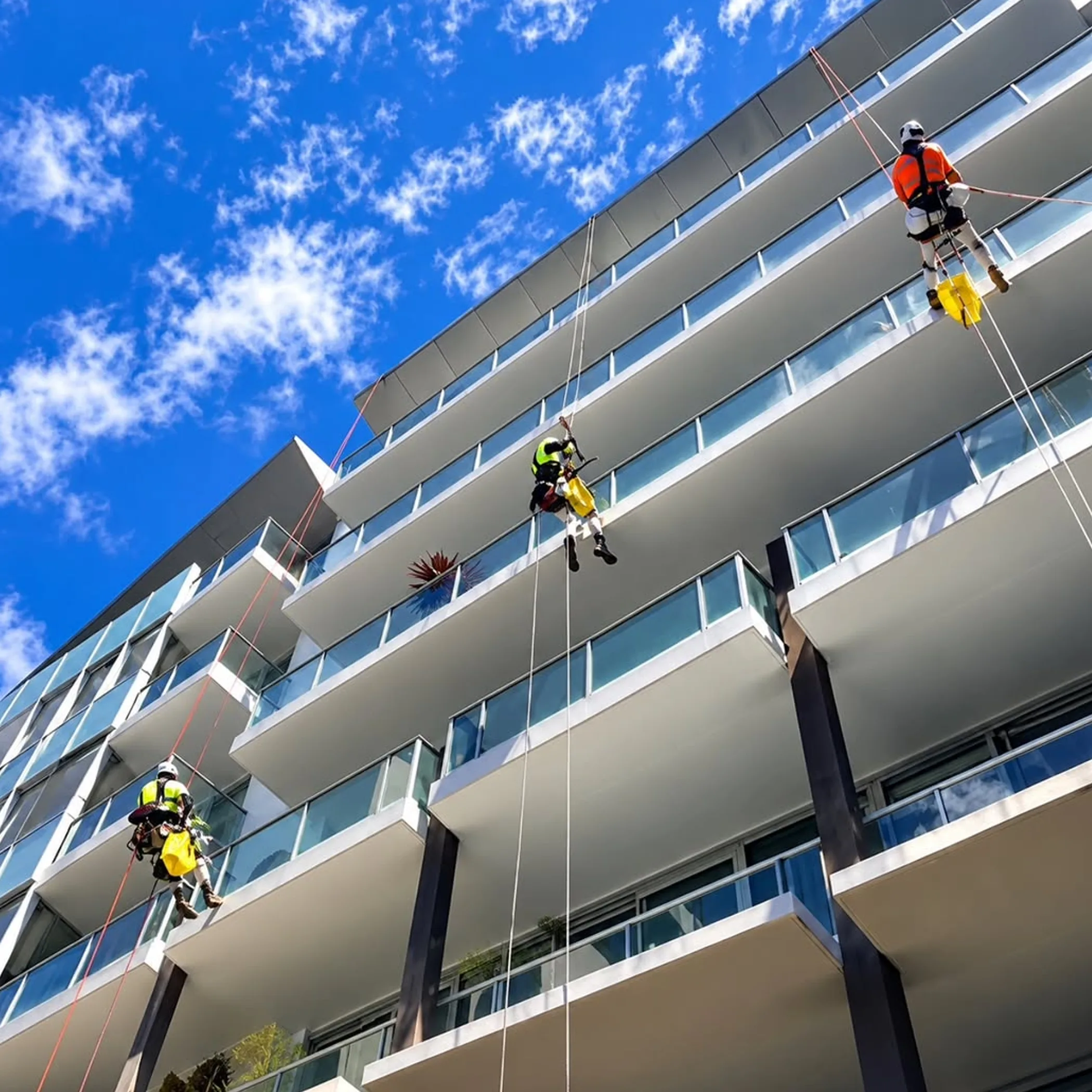
Theory and practice should go hand in hand. It is not enough for workers to be shown how to don their gear, they must be told when it is not the right control or unsafe to use.
A generic slideshow might put forward some ideas but it is not the whole story for rope access or tower work.
Essential Learning Areas
Reputable courses will deal with hazard and risk assessment, how to inspect your harness and lanyard, anchor points, fall arrest and restraint, and emergency protocols. You should be made aware of suspension trauma, weather and dropped objects. On the practical side, fitting PPE, checking your gear and knowing when to call a halt to the job are all part of it.
And where a fall arrest system is in play a rescue plan is non negotiable. At a remote site or up on a roof, phoning for help is not sufficient; you want trained personnel on hand with the right equipment to recover a fallen colleague.
Do You Need A Licence?
Not in Australia. There is no national licence for the fact of working above ground. But formal authorisation or a high risk work licence could be in order for certain tasks and the equipment involved.
In Australia a working at heights certification is taken as proof a worker has put in the time on an appropriate training course. Do not mistake it for a statutory licence however; that is not what it is. An employer would be well advised to verify that the training is of a current and relevant standard and that there is workplace instruction to back it up.
High Risk Work Is Different
Certain work calls for a high risk work licence, be it for dogging and rigging or to run a forklift, hoist or particular cranes. The rules of the jurisdiction and the make of the equipment, including boom length, can mean an elevated work platform will have its own licence prerequisites.
One should not think a certificate for working at heights gives someone leave to put up scaffolding, do some rigging or get on an elevated work platform. Separate licences, supervision or training may be in order for such things.
| Work Activity | Common Training / Authorisation | What to check |
|---|---|---|
| General roof access | A site induction and working at heights training | Roof strength, anchor points, edges and openings |
| Fall arrest equipment | Hands on harness and rescue training | Have a rescue plan in place and rehearse it |
| Scaffolding | High risk work requirements and task-specific instruction | Erection, inspection and any alterations are for competent hands |
| Elevated work platforms | Training for the equipment and perhaps a high risk work licence | Look at local rules, boom length and the class of platform |
| Ladder work | Supervision and safe use of ladders | See if a safer platform can be had |
Employer Duties And Documentation
It is the duty of an employer to see that the workplace is safe with the right systems, equipment and oversight. That extends to the information, instruction and training provided. Where responsibility is shared with contractors, consultation and coordination is necessary.
The onus is on the employer to determine who requires training, of what sort and how to test for competence. The records will tell the story: inductions, toolbox talks, refresher courses, practical assessments and certificates from courses and equipment inspections.
Training Must Match The Workplace
Supervisors ought to go over the site with the workers before they start, covering the layout, exclusion zones, who to contact in an emergency and the weather parameters. There are specific controls called for when there are hazards like traffic, live services or other personnel in the vicinity.
Supervision is important, all the more so with new hands or those coming back after an absence. They may have the theory down but still make the wrong call when the wind is up or the most direct way to an awkward roof hatch is over an unprotected edge.
I have been struck by the same thing time and again when I started to listen in on height safety talk on maintenance jobs: you will find people fretting more over procuring a harness than they do over their rescue. It should be the other way round.
Risk Assessments And SWMS
An assessment of risk should be about the work being done, not a regurgitation of “fall hazard present”. It puts on paper where a fall is likely, who is in the line of fire and what is going to be done about it.
For high risk construction work there are times when a safe work method statement (SWMS) is mandated; working at heights can come under this rubric depending on the law and the task. Make sure the SWMS is something the worker can actually follow in the field.
Use The Control Hierarchy
Where one can reasonably do so, eliminate the exposure. Put in long-reach tools or lower the equipment for repairs and do the prefabrication on the ground.
If that is not an option then guardrails, scaffolding and soundly designed platforms are to be preferred over personal protective equipment. Fall restraint will keep a worker from the edge; fall arrest will only mitigate the damage once the fall has happened.
And controls need to be looked after. A good plan can become a very bad morning through a frayed lanyard, an anchor that is not up to the job or a ladder in the wrong spot.
Choosing Suitable Height Training
Find out from the provider who is doing the instructing and how the practical side is assessed and what evidence is given to the worker. A reputable provider will set out the scope of the course and not put forward the notion that a short session is enough for every eventuality.
With nationally recognised training one would check the registration and the details of the training product. RIIWHS204E Work safely at heights is much in evidence in the resources and infrastructure industry but the job at hand will dictate the right training.
Questions To Ask Before Enrolment
- Is the material fit for the worker’s environment and industry?
- Does it cover the use and inspection of equipment and what to do in an emergency?
- Will the assessment be of practical competence or just a matter of having been there?
- Ask the provider to set out what is expected of a refresher and any documentation for replacement.
- One should also enquire as to whether the course will cover such matters as fragile surfaces, the weather, suspension trauma and rescue planning in the relevant context.
Practical logistics are something to be verified prior to making a booking. Get confirmation on where the training will be, parking or transport options, what equipment is put at one’s disposal, clothing and physical requirements and how long completion will take. A classroom setting is no preparation for a scaffold stair tower or a sloping roof.
Keeping Skills Current

You will not find an Australian expiry date that applies across the board to all working at heights certificates. While some have a review period suggested, it is often the employer, client, principal contractor or an industry scheme that will dictate refresher needs.
A refresher is called for if a certificate is not in good standing, the worker has been away from the task for some time, there has been an incident or a change in procedures or equipment, or competence cannot be shown. After a near miss or a shift in site conditions, legislation or rescue arrangements it is prudent to do so.
Refresh Before The Job
It is better to have done your checks before a seasonal shutdown, a major project or when maintenance is ramping up than to have a worker by a roof edge and find the harness is ill-fitting or the rescue kit is unrecognised.
Then there is the weather. From November through April in the Top End and northern WA one has to contend with wet season storms and cyclone alerts which can impact wind limits and access. In The Pilbara and the Red Centre concentration and handling of equipment can be hampered by dust and strong winds; summer may bring smoke and bushfire closures.
Common Mistakes To Avoid
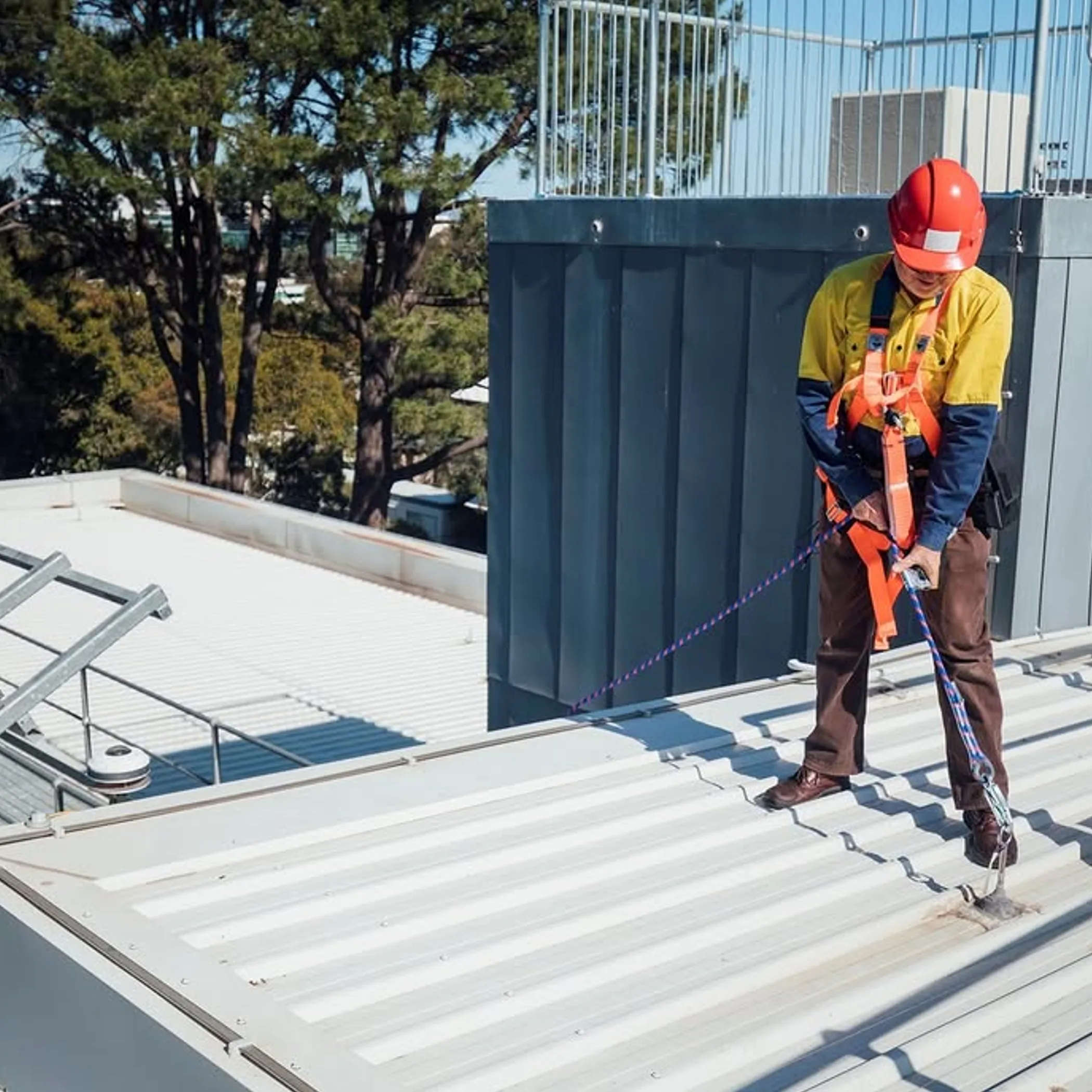
The height question is frequently answered in terms of metres alone but that is the wrong approach. What matters is the potential for harm and if a fall is reasonably foreseeable. One might be in more danger from a short drop onto machinery than a longer one on a surface under control.
Ladders are often made into a work platform for every occasion. They are fine for a short task provided they are secured and used as they should be, but anything requiring two hands or force would be safer on a proper platform.
Rescue time is another thing workers tend to put too low an estimate on. An emergency procedure of “call 000” does not tell you who is to make the retrieval, where the gear is, how to get to the person or what to do with poor reception on site. There must be names, methods of communication and practice.
Frequently Asked Questions
I put together these questions in response to the concerns I come across most from small businesses, supervisors and workers wanting to put in place sensible safety for working at heights.
What Training Is Required To Work At Heights In Australia?
That is a matter of state or territory rules as well as the industry, the hazards and the equipment. It could mean general instruction, a high risk work licence, practical rescue training or something more specific to the equipment. The employer has to see to it the individual is competent for the work.
Is Working At Heights Training Mandatory In Australia?
There is no national edict to the effect that anyone over a given height must sit the same course. But employers are obliged to manage the risk of a fall with the appropriate supervision, information and training. If the risk cannot be managed without it, then training is required.
How Long Does Working At Heights Certification Last?
Check the workplace requirements and the certificate before you start. There is no one size fits all expiry; it is down to the provider, the employer and the competence of the worker.
Do You Need A Licence To Work At Heights In Australia?
Not for simply being above ground. You may need separate authorisation for cranes, forklifts, dogging, rigging and the like.
What Is The Minimum Height For Training?
No universal minimum exists in Australia. The assessment of risk should factor in the consequences of a fall, the objects below, the way one gains access and the surface.
What Does Working At Heights Training Cover?
In keeping with the workplace it will include anchor points, inspection of equipment, PPE, fall restraint and arrest, hazard and risk identification, suspension trauma and how to plan a rescue.
Who Can Provide The Training?
A competent person or provider with the right qualifications and experience. With nationally recognised training the organisation must be authorised for the product. Employers would do well to check for practical ability on site.
Does Working At Heights Training Expire?
Expiry is not uniform. The certificate stands as proof of training but an employer or client may not accept it if the worker is not up to date. After an incident or a long hiatus a refresher makes sense.
Make The Safe Choice

Identify the risk of a fall and eliminate the need to work at height if you can. Rely on collective protection ahead of personal gear and have a rescue plan that is workable. Train for the task at hand.
For guidance go to Safe Work Australia or the regulator in the state or territory concerned. The WHS rules in this country are not about putting a certificate in a drawer, they are to ensure everyone makes it home.