The kind of cool, wet and windy conditions one would expect are in evidence on the Great Ocean Road in winter; between June and August it is not unusual for daytime to be 10 to 18°C. That does not make it any less of a fine time to come out from Melbourne for a drive to the Twelve Apostles if you like your scenery undisturbed by crowds and want to see some ocean swells put on a show.
Harper Wainwright has put together this no-nonsense guide for the novice to tell you what the road will be like in winter, how to pack and which month is right for you. The truth is that the flexible sort of traveller who is unfazed by rain or the odd change in coastal weather will have no trouble making the most of it. Those in search of a warm beach day with sunshine to boot might be better off in another season.
At A Glance
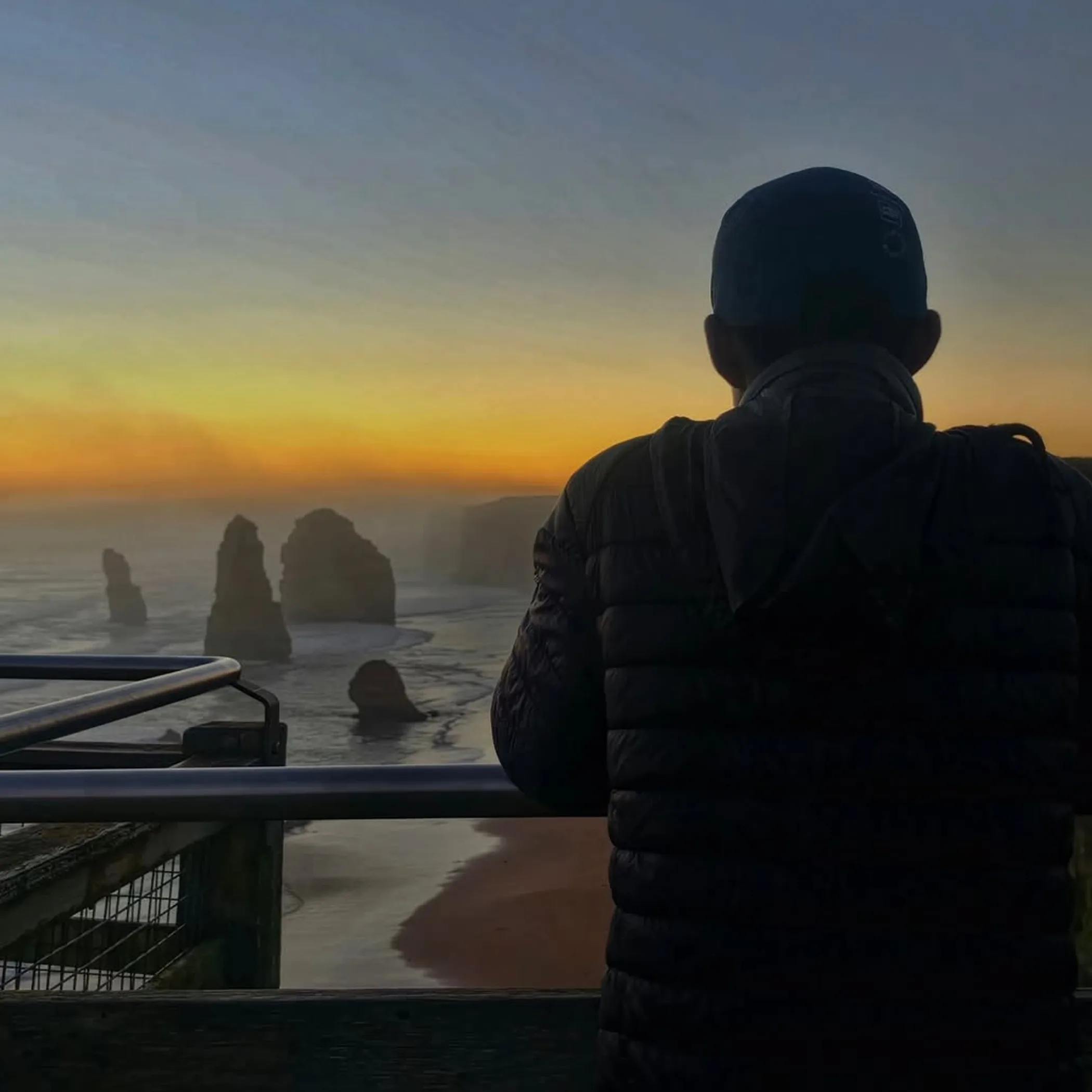
Predictable and flat are two words you will not often apply to Victoria’s south-west coast in the depths of winter. One can be under grey skies in Melbourne in the morning, have coffee in Apollo Bay in a light shower and then be at the Twelve Apostles when the clouds decide to part for ten minutes. In a way the coastal weather is humbling.
Knowing what the weather guide has to say is the best way to put together a sensible driving day as opposed to trying to force every lookout into a tight schedule. For more context, read understanding Great Ocean Road winter weather guide. Make allowances for extra time, look at the forecast before you leave and have an indoor option in reserve.
| Winter Factor | What To Expect | Why It Matters |
|---|---|---|
| Temperature | Colder evenings and 10 to 18°C in the day as a rule | To be more comfortable at your stops, put on some warm layers |
| Rain | Coastal conditions are apt to change and showers are quick | A waterproof jacket is essential for any walking or time at the lookouts |
| Wind | Sheltered towns are one thing but the exposed beaches and cliffs are another | Make sure hats, phones and anything loose are secured |
| Daylight | Not as much of it as in summer | Get an early start and do not put off the last leg until after dark |
| Crowds | Weekends and school holidays aside there are not many about | You will find parking is simpler and the favoured vantage points are calmer |
Before you set out for the day, consult the Bureau of Meteorology for their official observations and warnings. The ocean has a way of altering forecasts so it is wise to check once more in the morning.
Along The Coast In Winter
There is an atmosphere to the Great Ocean Road in winter, if not much of a beachy one. The surf tends to be up, the low cloud puts a darker edge on the cliffs and the Otways forest has an earthy smell when it has rained. An ideal season for those who do not require the sun to be out for the whole of it.
People are wrong to think the forecast is the same all the way down the route. On any given day Torquay, Lorne, Apollo Bay and the Twelve Apostles can have their own patterns of wind and rain. Do not pack for a single icon on the weather app.
Dealing With The Elements
A bit of rain will not ruin the trip but it will shorten your stay at an exposed viewpoint. The wind can be unkind on the paths above the cliffs and the swells are formidable around rock platforms and open edges of the coast.
Heed any closure signs and remain behind barriers. You should never have your back to the ocean at a rocky lookout or beach. Swells go further than they look and you do not want to end up in the local news for the sake of a photo.
Planning For Short Days
Some travellers are caught out by the daylight hours and attempt to make the run from Melbourne to the Twelve Apostles and back with numerous stops in one day. On paper the distance is no problem but with the traffic, the rain and time for meals and walks it is tiring work.
One day is enough to concentrate on the east of Torquay and Lorne or head west to Port Campbell and the Twelve Apostles. Attempting to cover all bases will have you watching the clock more than being out in the open.
June, July And August
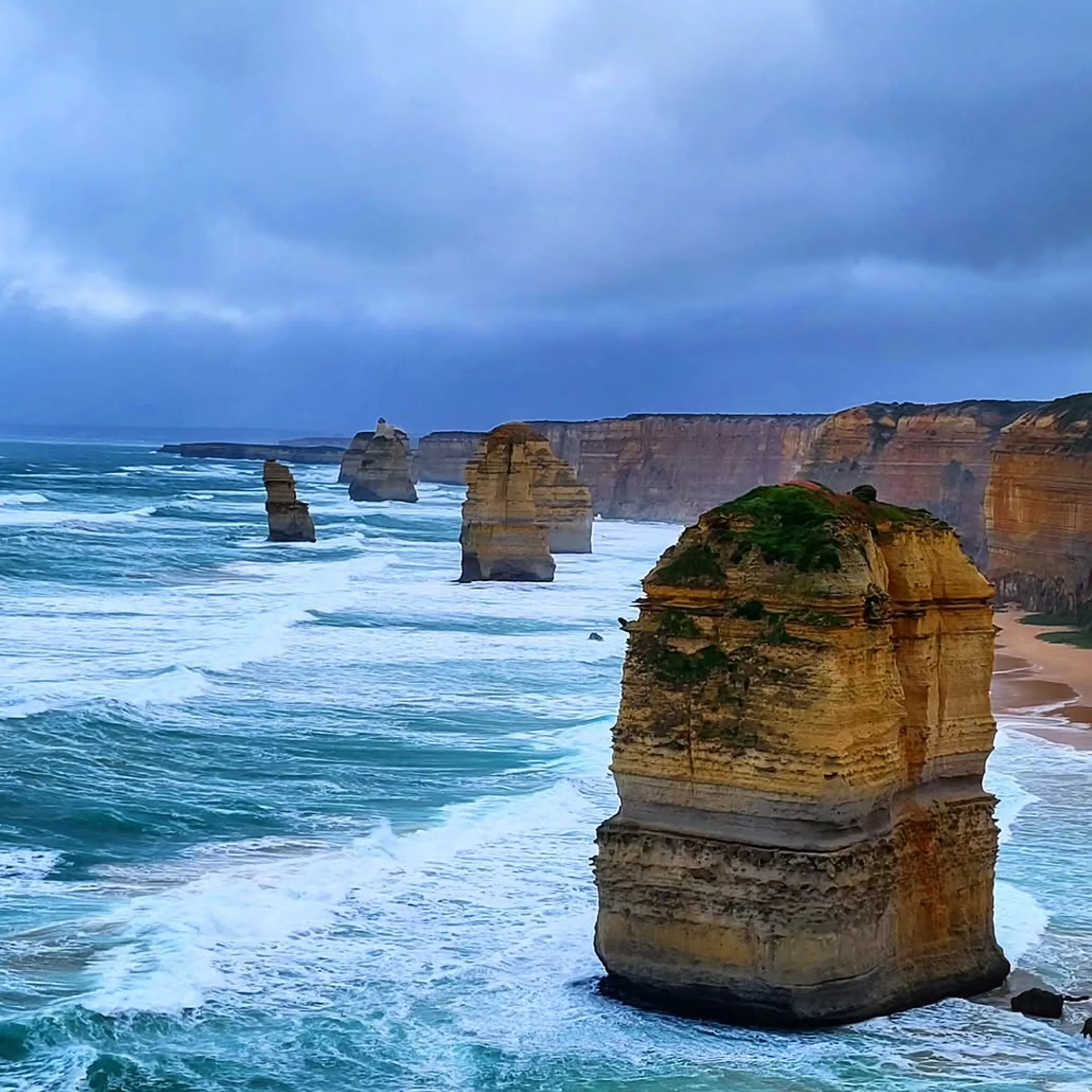
The winter months are much of a muchness but each has its own character. What makes for the best month on the Great Ocean Road is a matter of how you put up with the wet and the holiday crowds and whether your plans are adaptable. A “perfect” winter month is not to be had. It is best to have the latest forecast in hand before you depart, all the more so when your itinerary calls for an early drive or some camping, surfing and long walks.
Great Ocean Road Weather in June
June ushers in winter on the Great Ocean Road. The days will be cool and at times wet; on the coast it is more of a fresh feeling than outright cold. For the traveller after a bit of winter atmosphere yet with the expectation of the odd clear spell, this is fine.
Rain can put paid to a forest walk or get in the way on unsealed tracks, so make inquiries as to how things are before you put in any miles off the main road. Should you be camping, pick a site that has good facilities and where you can put up with the wet if need be.
Great Ocean Road Weather in July
One thinks of the heart of winter with July: the coastal wind is strong, there are showers to be had and mornings are chilly. A month well disposed to dramatic views at the Twelve Apostles (when the weather is in the mood) and for retreating to a cosy room or one of the more sedate cafés.
Do not put too fine a point on your schedule in July. If the track is made uncomfortable by wind and rain, be prepared for a late start or to forgo a walk. There is nothing wrong with making travel plans that put you in front of a hot meal and in a warm room.
Great Ocean Road Weather in August
The wintry feel is still very much in evidence in August, even if some days are longer and brighter. The coast is changeable and a cold wind will take the edge off what might otherwise seem a mild day. Travellers who do not mind fewer people and the prospect of the weather improving from time to time will find August agreeable. Be flexible with your plans though, do not count on dependable sunshine because winter is drawing to a close.
Driving in the Winter
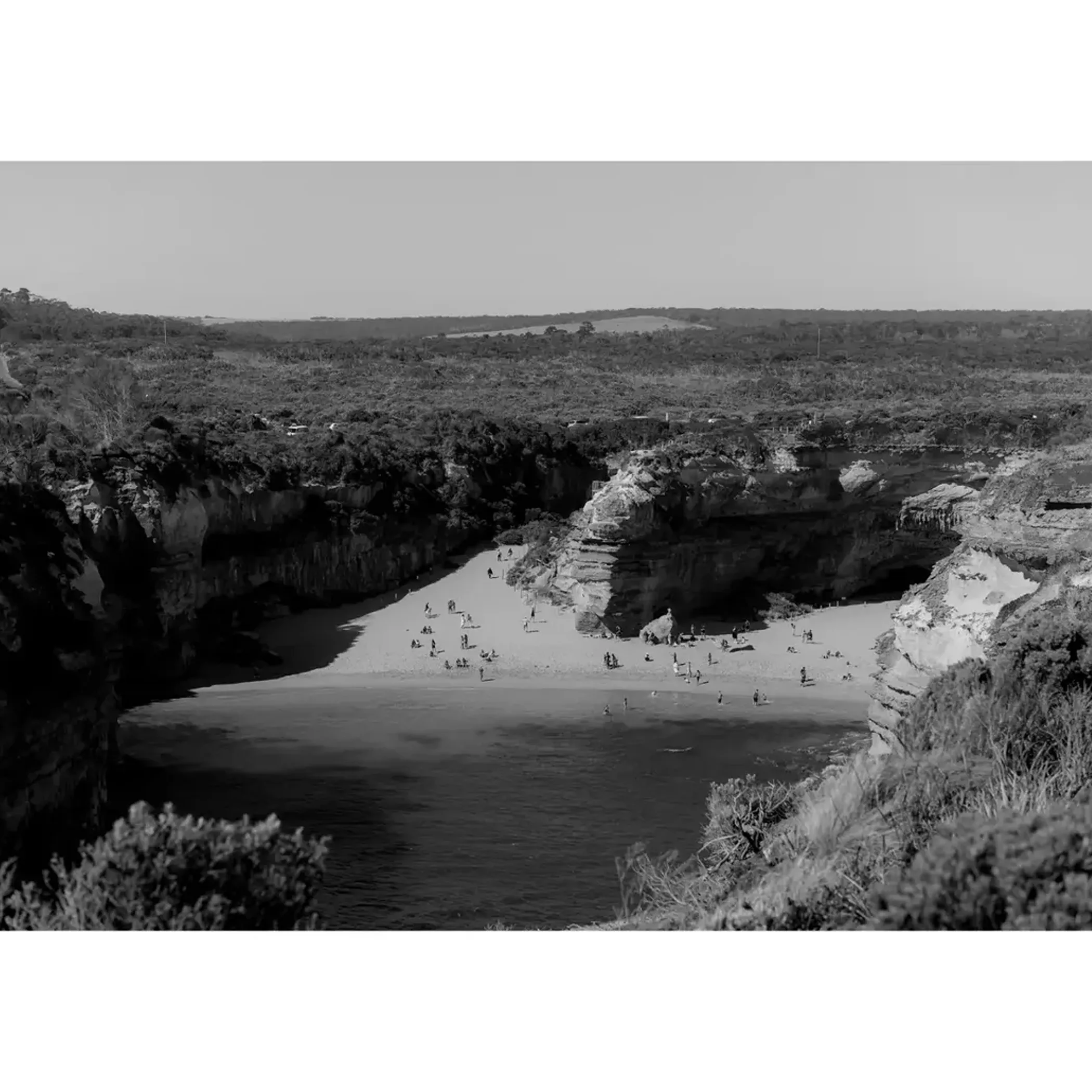
Patience is called for on the Great Ocean Road come what season, but then you have the added complications of winter in the form of fog, glare, wet roads, wind and darkness setting in earlier. With its winding sections, narrow lanes and the odd tourist or cyclist coming to a halt at a lookout, the object is to get there in one piece, not to set a time on a scenic road.
Put on the headlights if visibility is poor and give more room to the vehicle ahead. Before heading out of Melbourne see that the tyres, brakes and wipers are in order and the demister works. And if a downpour makes seeing difficult, find a proper place to pull over, not the narrow shoulder.
Sensible Routing
From Melbourne you will typically head west via Torquay, Anglesea, Lorne, Apollo Bay and Port Campbell to the Twelve Apostles. Going west puts the ocean side of the road nearer to the vantage points, but the direction you should take is the one you are most comfortable with given the daylight and where you are put up.
On the way back do not make of the road a quick loop. An easier plan in winter is to spend two or three days travelling west and put in an overnight near Apollo Bay or Port Campbell, then use something like the Princes Highway to get back to Melbourne in no time. Your navigation app will tell you the time but it does not know about a slow tourist convoy or a patch of roadworks.
Winter Activities
There is no better way to do the Great Ocean Road in winter than to let the activities conform to the weather. You can have your surf, your coastal and rainforest walks, but winter is more inclined to offer shorter stints outdoors and a warm repast than a full day in the elements.
Make the conditions part of it. A clear morning is for the beach or a lookout; once the rain comes in, a gallery, a local produce shop or a café in town is a better option.
Surf, Beaches and Lookouts
The Twelve Apostles is a must, but hardly the only place of interest. Around Port Campbell National Park the offshore stacks and cliffs are quite a sight under moving cloud, as long as you stay behind the barriers and to the path.
Conditions being calm, Point Roadknight by Anglesea is a nice spot for a while on the coast. The surf in winter has power so do not think of swimming unless you are suited up and know the hazards; a patrolled beach is to be preferred. Others are well advised to admire it from afar.
Stops in Town and the Rainforest
For a night’s rest and to stock up, Apollo Bay is handy before or after the Otways. Lorne has its galleries and cafés and is good for a short walk, and from Port Campbell one can make of the western attractions a base.
Travellers of limited mobility will find wet tracks to be hard going, if not muddy and slippery. Make an enquiry as to the condition of a trail prior to departure and put on shoes with some grip; do not hesitate to turn back at the first sign of an unsafe surface. Steady rain has a way of making a “easy” walk in dry conditions feel like rough going.
Winter Travel: What To Pack
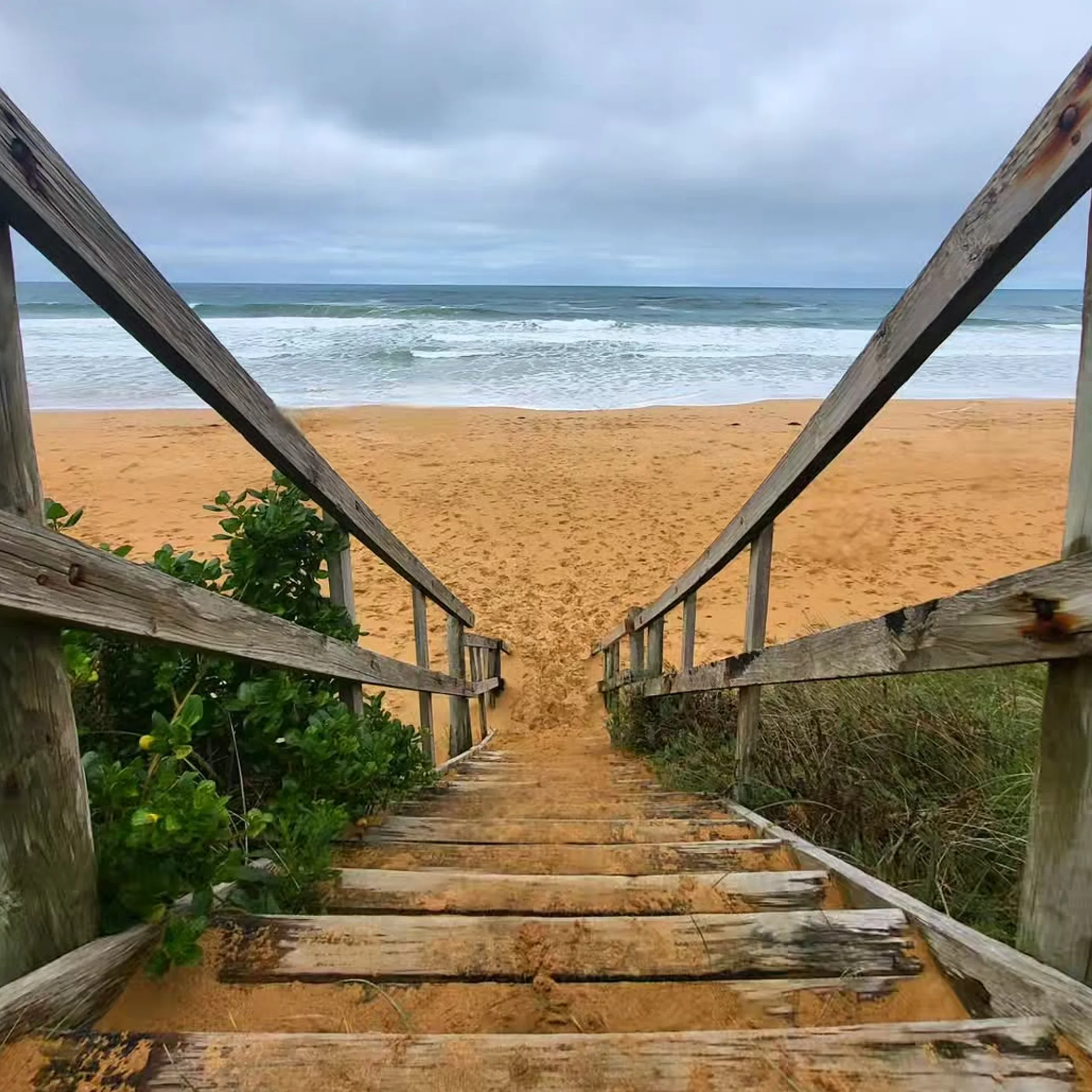
On a Great Ocean Road winter trip you want for layers and something to ward off the weather. Cotton is insufficient for a damp forest or time out on an exposed cliff.
You will make better use of a day bag than lugging a big suitcase in the car. Have your wet-weather gear to hand, do not let it get lost under the rest of your things; the rain does not oblige you to pack at your convenience.
- Among the essentials are warm clothes such as a jumper or fleece and a light insulating layer.
- A hooded waterproof jacket and quick-drying trousers or a change of clothes.
- For the steps at lookouts and any wet paths, good gripping shoes are a must.
- A small umbrella can come in handy in town though one is of little use in a gale.
- Also pack water, a torch for when the evening gets dark, sunglasses, a phone power bank and snacks.
- Do not forget any medication, the basics of a first-aid kit and a rubbish bag to put aside wet items.
Sunscreen is called for in winter too, for while the clouds take away the brightness they do not always block the ultraviolet. A thermos and a reusable cup are useful should you wish to boil the billy at a rest area that permits it (and where there are no restrictions on lighting a fire).
Where To Stop And Stay
One gets more out of winter accommodation by putting in a stop before one is too tired. Lorne and Apollo Bay are well placed for those wanting a central spot with services and cafés on hand, Port Campbell is the practical option for getting to the Twelve Apostles and other coastal draws early in the day.
As for prices, they will depend on whether it is a weekend or school holidays, the room you have and when you book. As a guide, a budget traveller might put down AUD 40 to 120 for a night in a basic room or campsite, comfortable private quarters will run from AUD 150 to 300 upwards. These are indicative only.
Camping Or A Warm Room?
With a tent that can stand up to the elements, proper sleeping gear and an acceptance of a damp morning, camping in winter has its rewards. But a beginner would be ill advised to try it with a small tent and no place to cook if the wind is up.
For your inaugural winter road trip along the Great Ocean Road, a guesthouse, cabin or motel is the less troublesome alternative. Put in a booking for Friday and Saturday, check on parking and the time for check-in. In some towns you will not find much in the way of late food outside the peak season so stock up on snacks before the shops shut.
Is Winter The Time To Go?
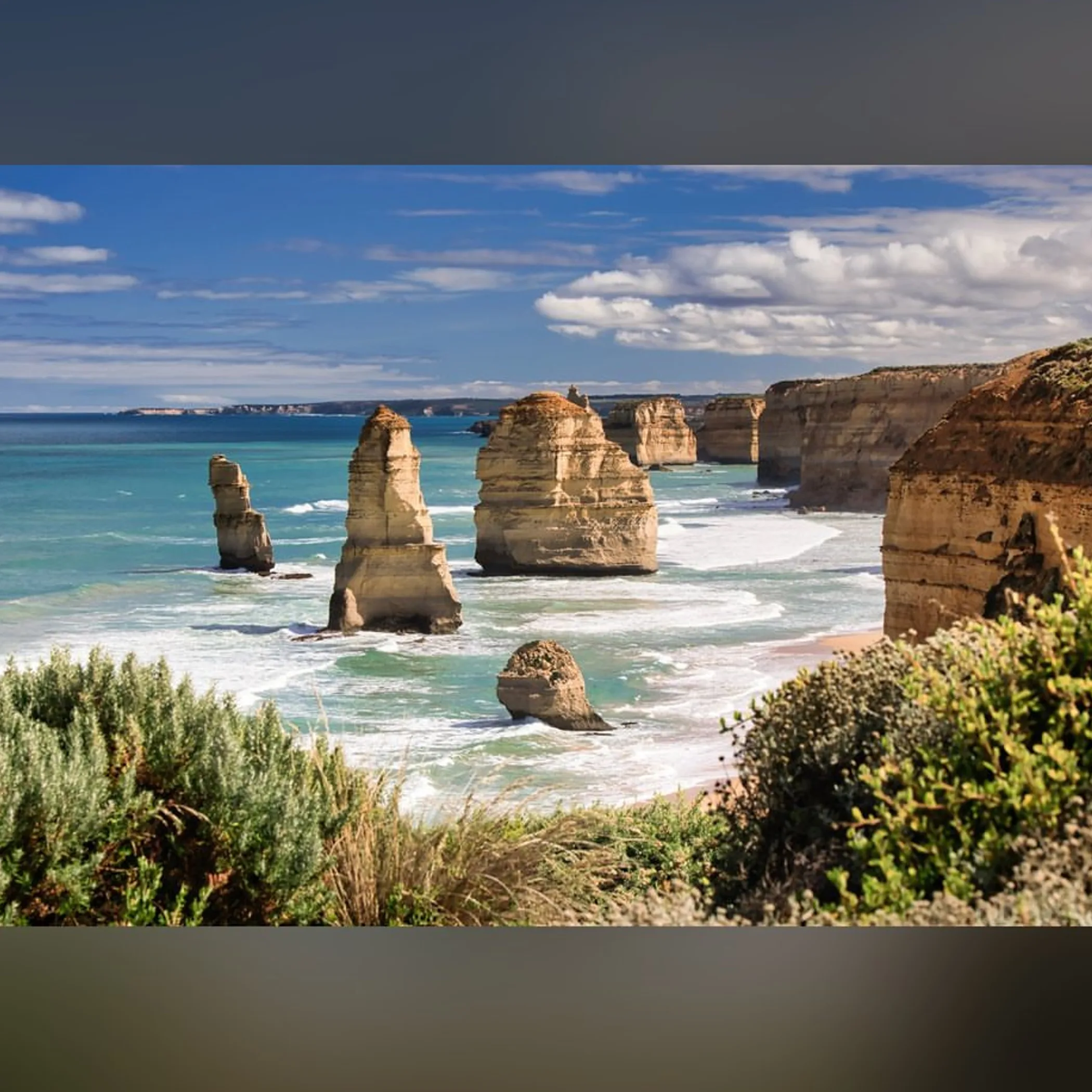
Those who prefer to see the sights without pressure, or who like a moody coastline and some space, will be suited to winter. It is fine for the photographer or the walker inured to changeable conditions, as well as for friends or a couple content to put in some hours at a café with the rain on the window pane.
Not so for anyone after a long day on the beach, a sure thing sunset or a warm swim. A tightly run itinerary is best left for another season. Young children in tow means you should plan for shorter drives and warm-up stops and make sure your accommodation has a kitchen.
Expectation Versus Reality
You may set out to put the windows down and drive the coast all day. More likely the reality is some rain and traffic and wind for part of it, but then the clouds will part for a clear view from a lookout and you will be pleased with it.
What one might expect is that with fewer people around the attractions will be deserted. In fact, on a weekend or during school holidays and at sunset there can be plenty of activity. The overall tenor is quieter but do not count on being alone.
Some straightforward Winter Itinerary Options
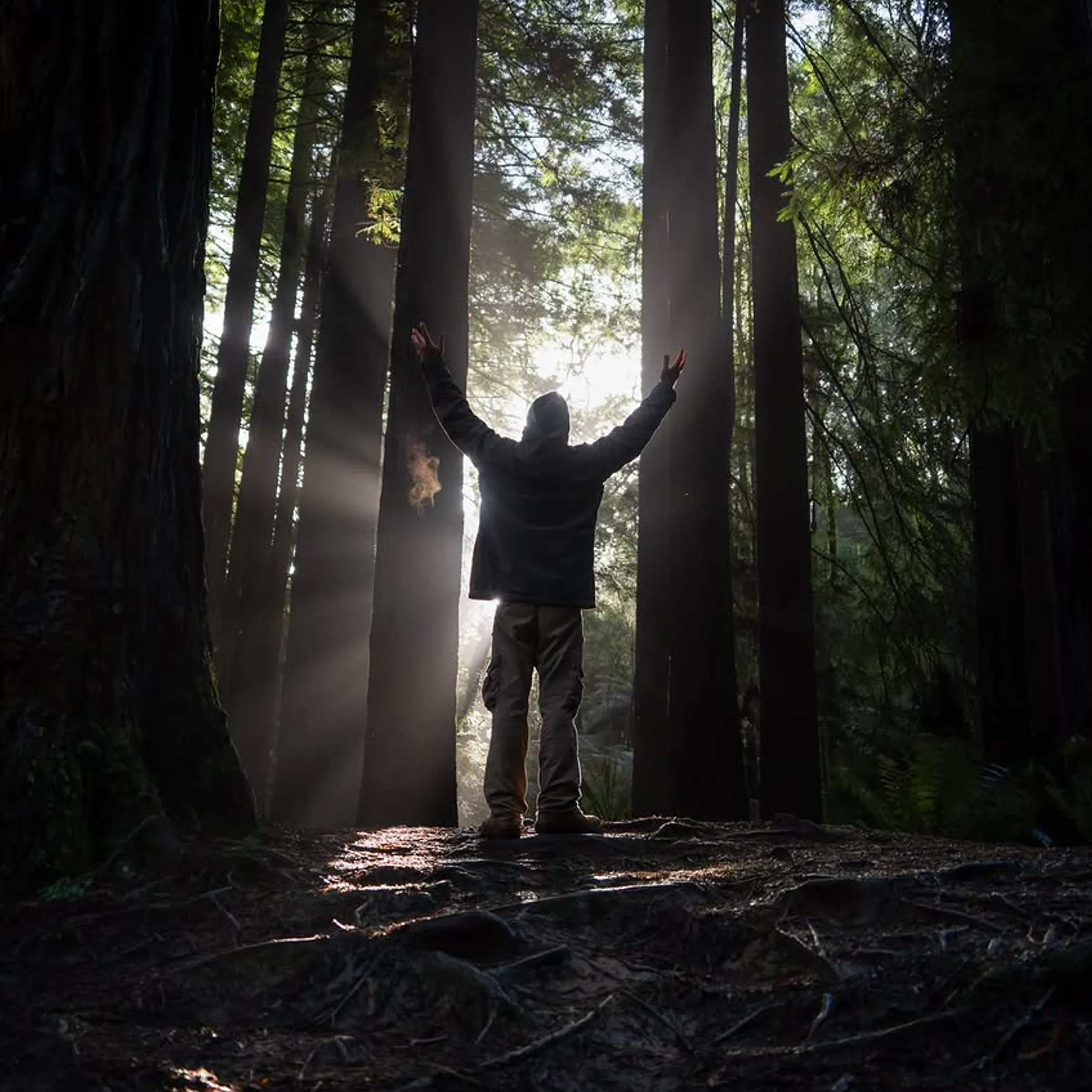
A winter plan for the Great Ocean Road is only as good as its ability to accommodate the weather. We have put forward some conservative options here; after all, a road trip ought to have time set aside for lunch and the odd wrong turn.
- One day: Head out from Melbourne along the eastern coast to Lorne and back, or make your way to Port Campbell to see what the Twelve Apostles has to offer. There is no point in trying to cover every major stop going and coming.
- Two days: Day one takes you from Melbourne to Apollo Bay, day two you put in to get to Port Campbell and come back the inland way. Make an early start and if the rain does not let up, keep the walking to a minimum.
- Three days: An extra day means you can put in more time at the lookouts, beaches and the Otways, and adjust for the weather. Put up for the night in or near Lorne or Apollo Bay first, then Port Campbell for the second.
These are not timings for those in a hurry to get from one end to the other, they presuppose sensible stops and normal traffic. On weekends and in the holiday season you will want to allow more time and make sure of the road conditions in the morning before you go.
A word on winter travel
There is no use hoping the cool, wet and wind will just go away; prepare for them and the Great Ocean Road is well worth a visit in winter. Be flexible with your route, have warm clothes and a waterproof jacket to hand, make your driving days shorter and show due respect for ocean hazards.
If you are new to it, two or three days strikes the right note between the coastal towns, the rainforest and the scenic drive to the Twelve Apostles. You will not be given perfect weather in winter, but you will have atmosphere and a road trip to remember without having to shoulder with others at every vantage point like sardines.
Frequently Asked Questions
How many days for the Great Ocean Road?
For a winter trip of any comfort, put down two or three days. One can be done by making either the east or west section a priority, though to drive to the Twelve Apostles from Melbourne and be back in the same day is hard work in poor visibility or when it is raining.
Is there anything you should not miss?
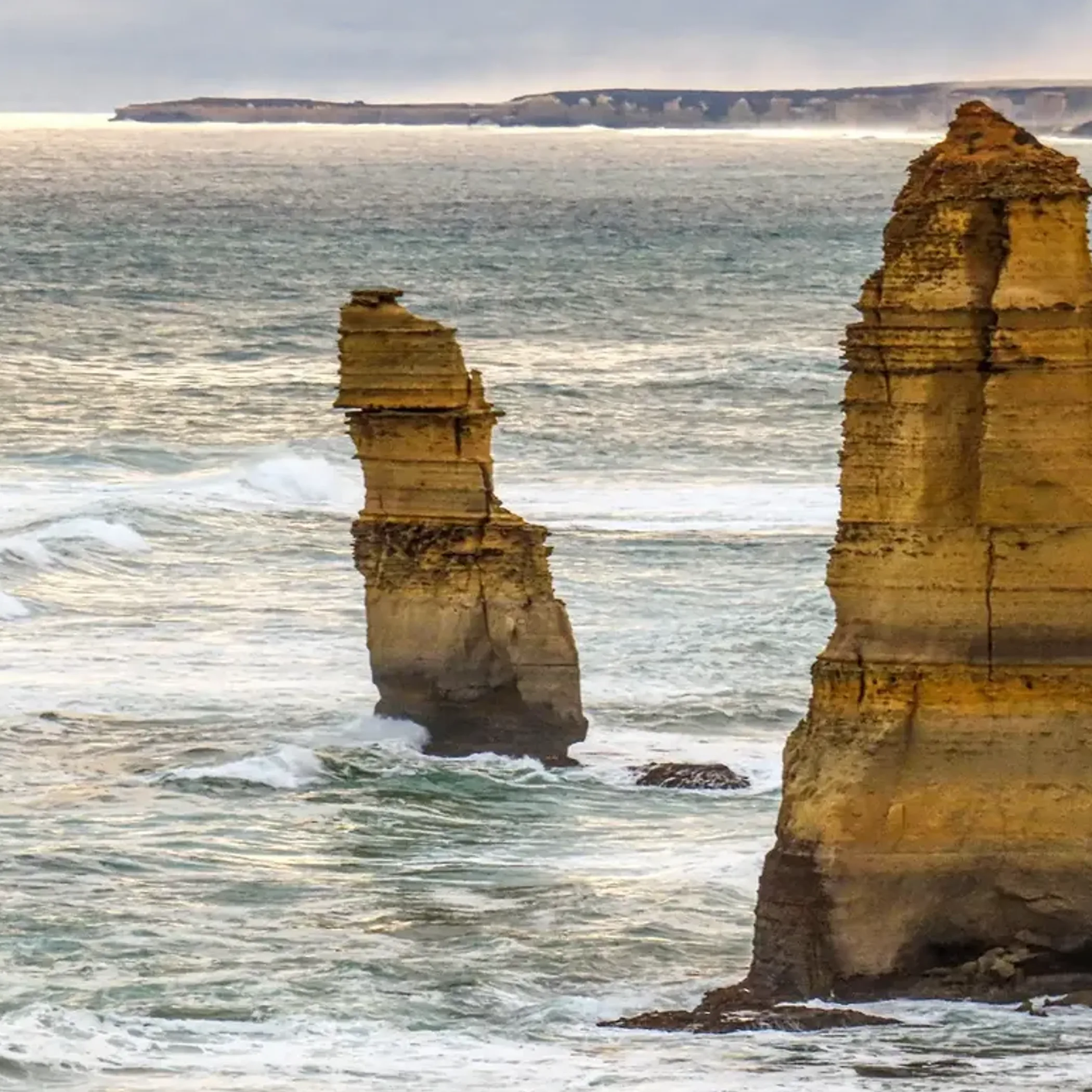
Apart from the Twelve Apostles which is self evident, Apollo Bay and the Otways are worth a look, as are the coastal vantage points at Port Campbell and a beach or lookout in Torquay, Lorne or Point Roadknight where it is safe to be. How much you can walk and the state of the daylight and weather will dictate the best choice.
Which month would you recommend?
It varies from person to person. Warmer months lend themselves to longer days and the beach, but for dramatic conditions and to avoid the crowds winter is preferable. Between June and August, go with the forecast and the dates that are most open.
What is the better direction to drive?
The majority will head west from Melbourne to the Twelve Apostles and Apollo Bay and return by way of the inland, a simple enough sightseeing run. But you are better off following the direction your accommodation and confidence behind the wheel dictate rather than chasing a view from the car that is supposed to be ideal.
Any safety concerns in winter?
Provided you are cautious and heed any warnings or closures, yes it is safe. Then again, risk is heightened by early darkness, swells, fog and slippery ground. Do not venture onto rock platforms or in the water if conditions warrant it, and from the cliff edges and unmarked tracks stay clear.