There is a basic tenet to gutter cleaning in Australia: get to them before they run over and put water stains on your ceiling. In practice for most homes here that calls for a bi-annual check, with the odd alteration to the timetable to account for heavy rain, cyclones, bushfire debris or gum trees.
Harper Wainwright here. One finds that people have a habit of putting off this kind of work until the first proper downpour comes along. By then it is too late to put the ladder to good use; the gutters are as full of leaves as a sardine tin and the roof has been called to mind by all. A dry morning inspection is more economical and less of an ordeal.
Make The Roof Check A Safe Affair
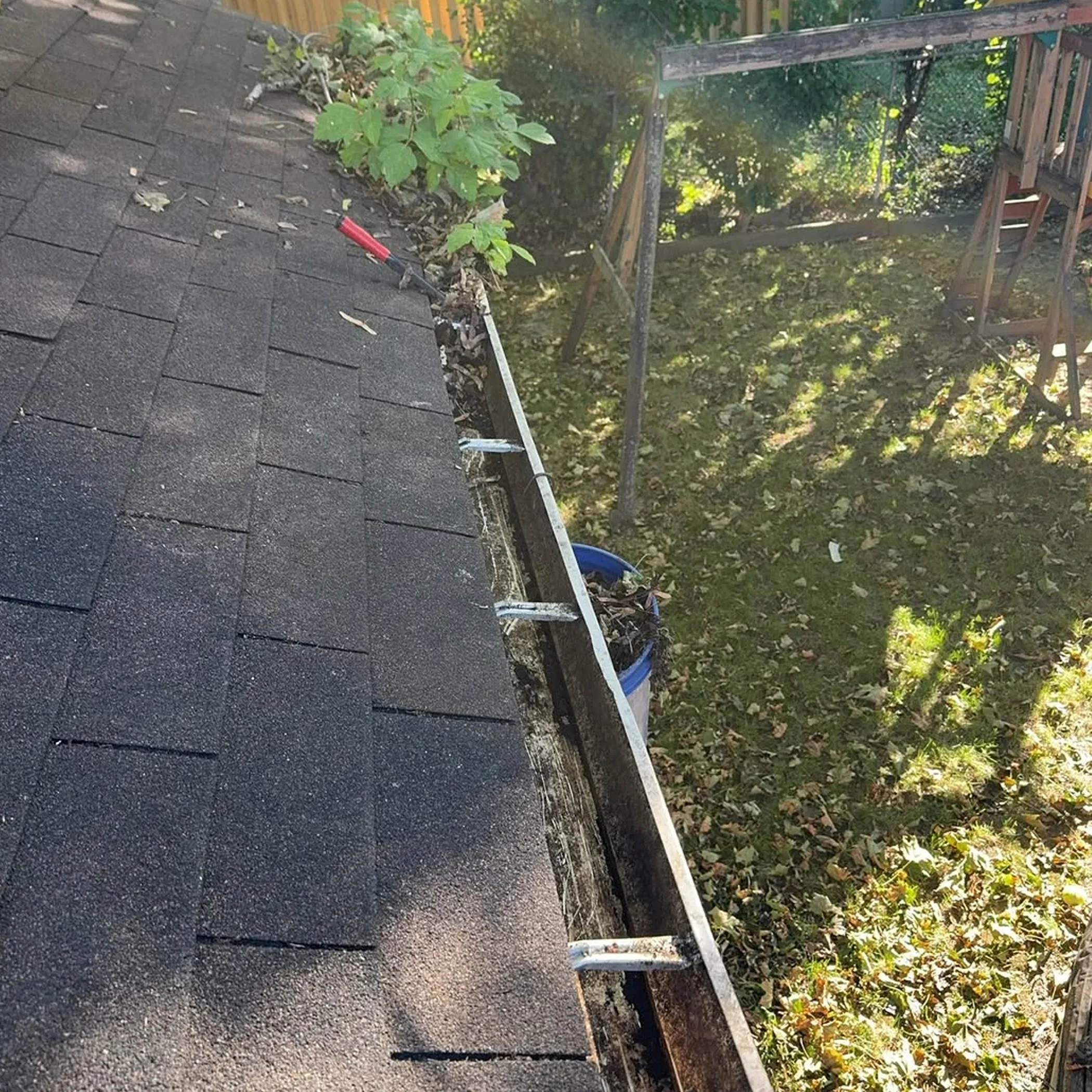
An early look at the gutters will sound the alarm on a blockage before it has done any damage to the roof or flooded a garden bed. There is no call to start climbing and scooping right away, you can often tell where the problem lies from ground level.
Sagging, rust, a cracked joint, an overflowing downpipe or something taking root in the gutter should be noted. For seasonal roof care advice, check your roof regularly. If the roof is steep or hard to get at, take it as what it is and leave it to a professional who has the equipment.
Do It From The Ground
Go around the property and see what is happening under the gutters. You will spot if the system is not doing its job by dark water marks, peeling paint, moss, dampness in the brickwork or soil near the foundations.
For a high roofline, such as on a double-storey or behind the solar panels, put a phone camera or binoculars to good use. And do not prop a ladder up to a flimsy edge of a gutter expecting it to hold.
At Some Point You Have To Cease
Extreme heat, wind, an electrical storm or rain are no time for it. Up north the wet season storms come on fast and between November and April a cyclone alert means there is flying debris to contend with.
Put an end to it if you come across a beehive, unstable tiles, a wobbly ladder or exposed wiring. Snakes roused from their warm leafy spots and wasps will have no patience for your maintenance plans.
Seasonal Considerations
Your location and the sort of weather you get will dictate when to clean. A terrace in Melbourne is not going to have the same routine as a place on the coast of Queensland or out in the Perth bush.
Treat the calendar as a guide. Put some stock in seasonal advice but also make a point of a quick look after a big storm; one can leave a tidy gutter full of grit and twigs.
| Australian Location Or Setting | Useful Check Pattern | What Usually Catches People Out |
|---|---|---|
| Homes with gum trees over them | Inspect in autumn and in the wake of strong winds | Leaves have a way of bridging the gutter and concealing a blockage |
| Queensland and the northern coast | Before the wet season and following any intense storms | Blocked downpipes will be made plain by the rain |
| Top End / northern WA | After storms and ahead of the wet season | Dust and leaves make a sludge of things |
| Southern states | Once the autumn leaves have fallen and prior to the winter rain | Repeated wet will open up small cracks |
| Bush and semi-rural | More frequent checks in fire-prone or windy times | Ash and bark accumulate faster than you would think |
Not set in stone, these are just sensible intervals. What is on the calendar is less important than the design of the roof or the trees about it. As for severe weather, the Bureau of Meteorology weather warnings will have the latest warnings before you put in any time on the roof.
Keep Your Tools Simple
A single-storey does not require a ute brimming with specialist kit, though you want to keep your hands and eyes safe. Proper tools are preferable to making do with an unsteady chair which is the surest way to turn a few minutes’ work into a visit to the chemist.
Clothing to cover the arms, gloves and enclosed shoes are in order, as is eye protection. Gutter sludge is no place for bare skin given the mould, animal droppings and sharp metal to be found. When finished, give your hands and the tools a wash.
Assembling a Practical Kit
- Good extension ladder with a solid base and preferably another person on hand to see it is stable.
- Heavy gloves, safety glasses, enclosed shoes with grip and a bucket or tub for rubbish.
- Plastic scoop, small brush for the hand, garden hose and something like a plumber’s snake for intractable blockages.
- Ladder stabiliser if the situation calls for it, with your phone somewhere safe away from where you are working.
Begin at the outlet and make your way to it; should the gutter be full, start from the top and head for the downpipe. Put leaves in a bucket rather than letting them fall on the path or into the garden beds of the neighbours. Wet leaves put on more weight than they seem and overfilling a bucket to shoulder height is a sure way to be off balance.
A Careful Flushing of the Downpipes
Once the loose matter is gone, put some water through the gutter in a measured fashion and observe the outlet on the ground. There ought to be a good flow, nothing spilling over or backing up.
Should the water take its time, a flush from above with the hose may do it. But do not persist in driving water into a pipe that is sealed. It might be called for to put a drain rod to it or even disconnect a downpipe, though with brittle joints or a pipe that goes underground a plumber is to be preferred.
Tending to Minor Defects
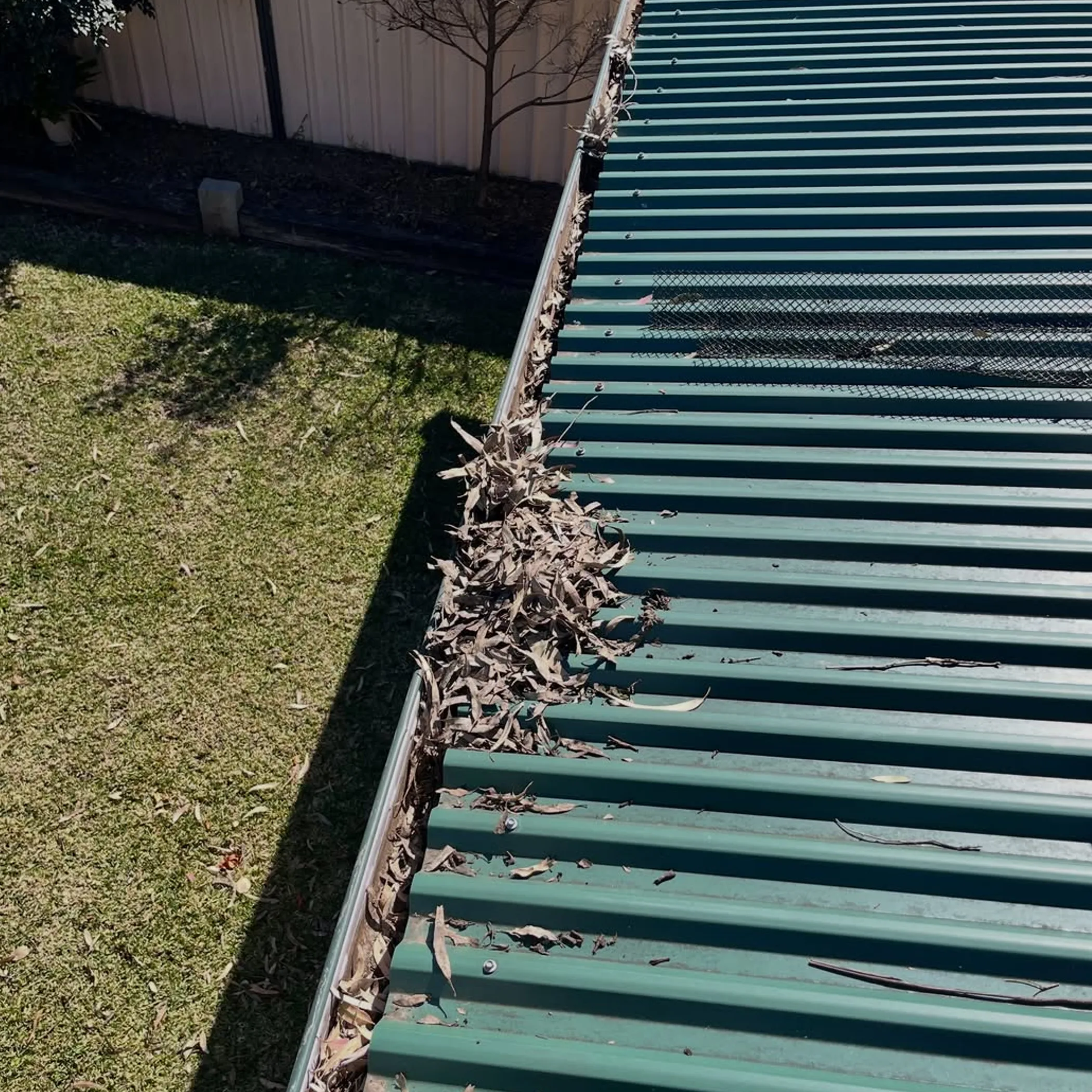
Debris can be cleaned but the system is not mended for all that. The wrong slope, a split in a joint or a gutter that has come away from the fascia will cause failure even when it appears in order.
After you have flushed, note any standing water. A puddle here and there could be due to a sagging bracket or poor fall. If you find the same spot overflows time after time, it is in need of fixing, not more scooping.
Faults You Are Likely to Come Across
Water can run behind the gutter and into the timber if the sealant is cracked. Rust holes are often no more than an orange speck before they turn to leaks after a few wet seasons. And a loose bracket means the gutter will dip under the water’s weight.
Give the downpipe connections a once over as well. Water pouring from a joint indicates a lack of seal, misalignment or a blockage. Make sure the discharge is clear of the building and not eating away at the soil by the foundations.
The Maintenance of Gutter Guards
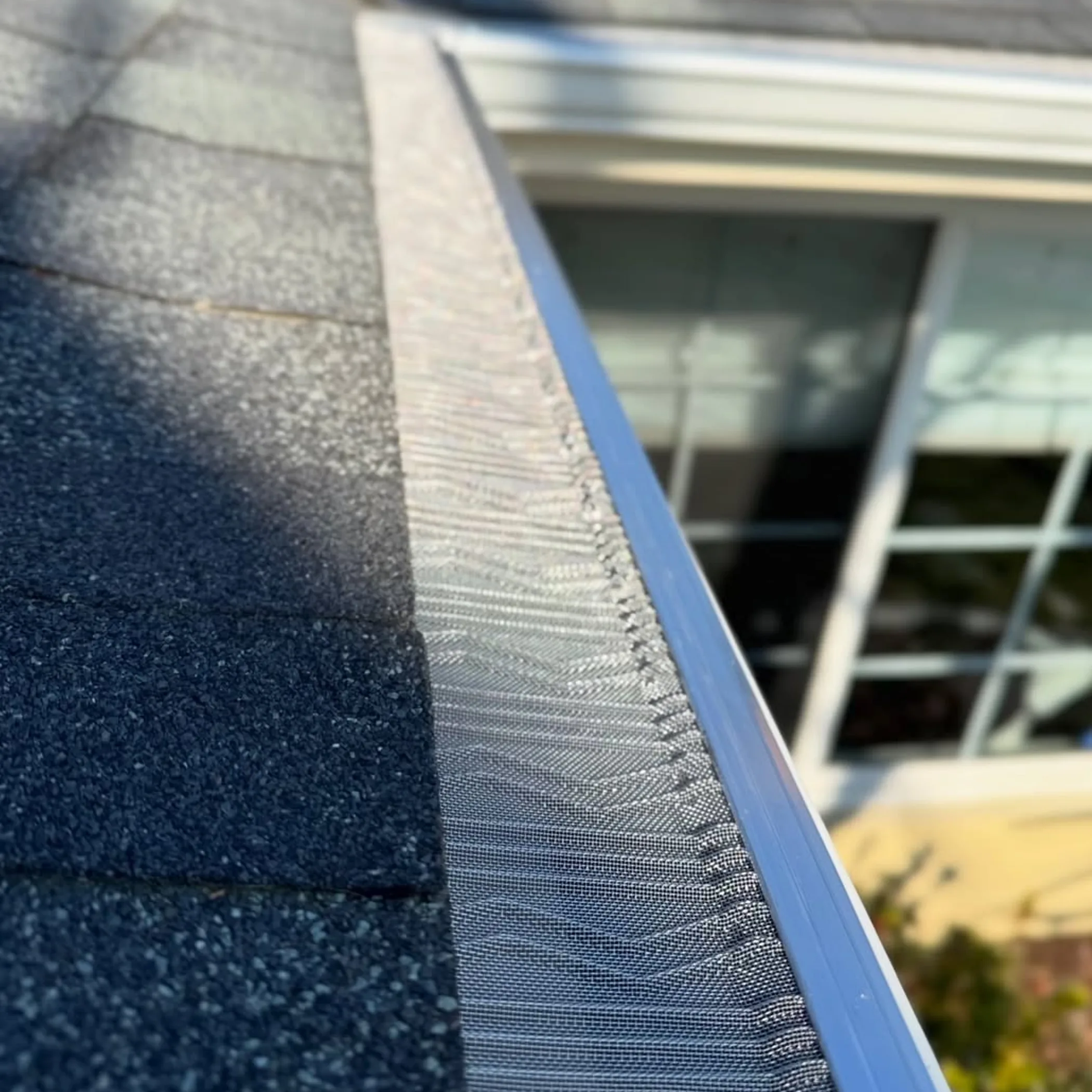
They will keep some of the leaf litter out but do not think of gutter guards as some kind of panacea. Blossom, fine seeds and grit from the roof will accumulate on the mesh or below it.
The mistake is to believe they are maintenance free. They are not. They simply alter the nature of the cleaning. See that the surface is clear and the water gets to the gutter.
On Access and Costs

You can save money with a ground level inspection and do a little of the work yourself if it is safe. Then again, a property with a steep roof, much tree cover or more than one storey will add to the cost, as will any components in disrepair.
Put some questions to a contractor before you commit. Is the quote inclusive of flushing the downpipes, removing the debris, a written report or photos? Check on their insurance and trade credentials for anything beyond the basics. Do not put too much stock in what you see online as to price, it is only a guide and will differ from state to state.
| Job Type | Typical Time Range | Practical Cost Expectation |
|---|---|---|
| Ground inspection and light clearing | 30 to 60 minutes | A DIY affair in most cases |
| Moderate debris on a single-storey | 1 to 3 hours | Either the cost of equipment or a service call |
| A large home with its downpipes | A matter of hours | Best to have a professional put a figure in writing |
| Two-storey or a damaged roof | Depends on what is required | We would recommend a professional opinion |
Do not underestimate the need for parking and access. A contractor will want room for his trailer or an elevated platform. Put the furniture away, open the side gate and put the pets in their place. My kelpie Fern has a mind of her own and sees a ladder as a fence to be investigated, others will be of the same mind.
A One-Day Plan

Confine yourself to the gutters over the bedrooms and living room and the entrances first, then have a look at each downpipe outlet. An overflow there is liable to make a doorway treacherous or do damage inside.
Make time for the set up and to put the ladder away. In the morning inspect, then get the debris out, follow with the flushing and leave repairs to the end. Do not hurry the last check, the blockage will show itself when the water is running.
- Have a look at the weather and walk the property from the ground.
- Make safe access and put in the work to unblock the worst of it.
- Downpipes should be flushed; make a point of seeing where the water goes.
- Debris is to be taken off site, damage photographed and any repairs put down on paper.
A homeowner in good physical shape can follow this routine provided the roofline is low and stable and there is no problem with ladder access. Those who have qualms about being up high or are faced with an unstable ladder on their own should not be doing this, nor anyone with electrical, structural or wildlife hazards to contend with.
Separating Expectation from Reality
The expectation is that a clean will see one through the year. The reality for a home under trees is that checks are called for after a major wind. One might think gutter guards put an end to maintenance, but they will still harbour fine debris and have to be looked at.
A hose is supposed to clear all blockages, yet compacted leaf mulch mixed with dust, seed pods and moisture can form a plug as hard as guts. And while small overflow is considered harmless, in truth it can stain your walls, do for the fascia boards and soak the soil around the building if it happens enough times.
Common Gutter Questions

Gutter upkeep seems straightforward until you factor in the roof, the weather and how you are going to get at it, which is why these questions are asked so much. The least heroic answer tends to be the safest.
How Often Should Gutters Be Cleaned?
Twice yearly is what most homes need by way of an inspection, say after the leaves have fallen and ahead of the wettest months. Where you have coastal exposure or are near the coast or in the path of storms, more frequent checks may be in order after some heavy rain or strong winds.
Can I Do It From The Ground?
With the right extension tools you can remove a certain amount of debris and inspect from the ground. But you will not spot hidden sludge, a blocked downpipe or a joint in poor repair. For the sake of safety, do not stand on anything less than firm footing or use a long tool in the vicinity of overhead power lines.
Is There Any Point To Gutter Guards?
Under trees they will cut down on large leaves, but maintenance is still required. A badly fitted guard can impede the flow of water or complicate cleaning down the track, and fine material has a way of settling on them. See that they are compatible with the system before putting them in.
What Of A Blocked Downpipe?
Water can back up or come out of the joints and if the outlet is not well directed or is damaged it will pool at the foundations. A flush is fine if you can do so safely, but leave the persistent blockages and any underground drainage or pipe damage to a professional.
Clean Up Before A Storm?
Provided it is dry and calm, yes. It is a way to head off overflow when heavy rain is in the forecast. But there is no sense in getting on the roof in the face of lightning or high winds. Heed the official warnings and local advice as to when to hold off on outdoor tasks.
A Working Roofline
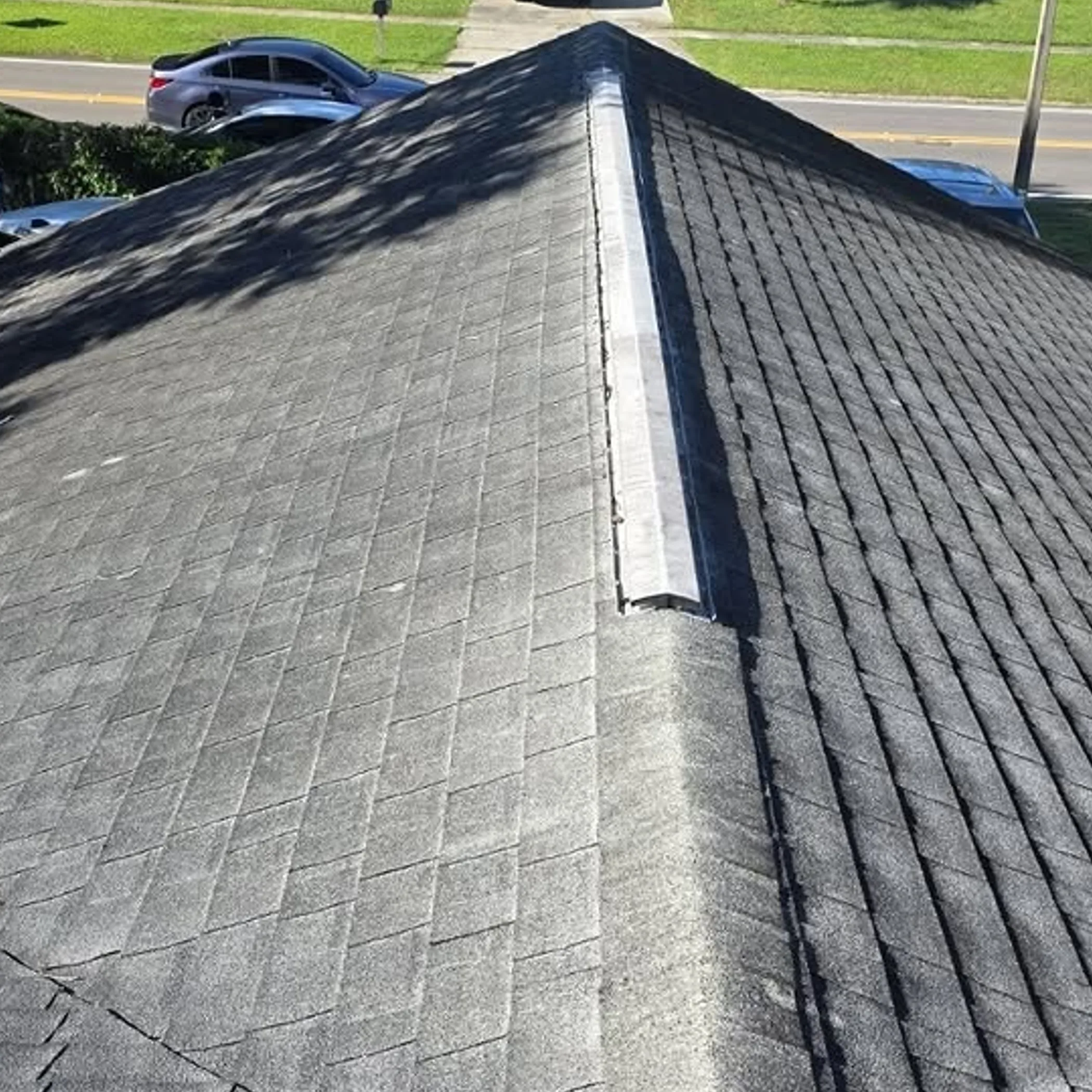
There is nothing to it, just plain repetitive work, but proper maintenance of gutters is what protects one of the more useful if unglamorous systems of an Australian home. Get in early to inspect and put right minor faults, flush the downpipes and do it all in a safe manner before the next bout of bad weather does it for you.
I have a simple rule: if they look full from the ground the gutters want tending. Make a sensible check of them and let the mozzies have the garden while you put in time on solid ground. The ladder is best left alone by those who ought not to be on it.