Do not wait until the roof is shrouded in dark clouds to get on top of your home drainage. With some common sense you can head off blocked drains, water damage and any backyard flooding that could be costly. You do not want to be hunting for a stormwater pit full of leaves with the rain coming down hard and the laundry floor making its own weather of it.
Harper Wainwright here from the Noosa area in Queensland, where one minute a street is quiet and the next a sudden downpour has made it a shallow brown river. In this guide I put forward some straightforward preparation for Australian homes when heavy rain is in the offing: what needs cleaning or checking, what to leave alone in a storm and the point at which a licensed plumber should be called in.
Heavy Rain Drainage Risks To Be Aware Of
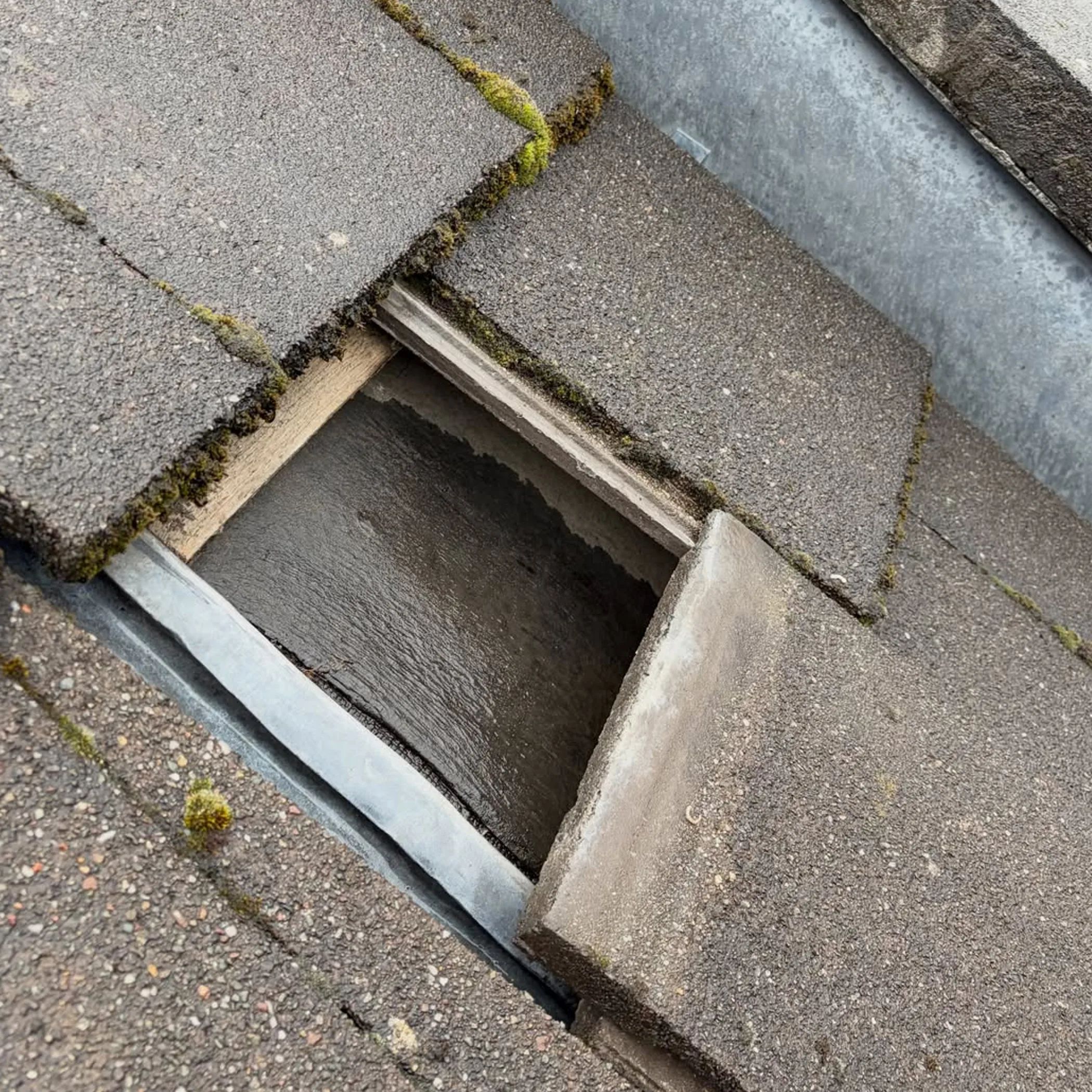
All of a home’s stormwater drainage is put to the test in heavy rain. From the roof and gutters to the downpipes and low spots in the yard, surface runoff has to be moved quicker than the ground will take it. Understanding wastewater overflow dangers can help homeowners respond to drainage issues.
Then there are the conditions in Australia. Whether it is a wet season in the Top End, a summer squall in Queensland, a winter front in Victoria or a cyclone watch up north between November and April, the risks are not the same. But the rule is simple: give the water a safe path to get away from the building.
It Is Not Just The Amount of Rain
You can look at 50mm in a day and think the property can cope, but 25mm in a short burst is harder to deal with. These are merely examples; soil type, the slope, how well your drainage is set up and any history of local flooding will determine if those numbers are a problem.
Heed the Bureau of Meteorology severe weather warnings before you put in any time outdoors. And if the State Emergency Service says to stay in and keep clear of floodwater, do as they say instead of making an unpaid drain inspector of yourself.
Where Things Go Wrong
Ordinarily a bit of leaf litter in the gutter, debris on a grate, a downpipe emptying by the foundation or an old stormwater pit will be the start of a household drainage failure. More serious issues can stem from tree roots, undersized or cracked and caved in pipes.
Be mindful of the perils of wastewater overflow. Stormwater and wastewater systems are not one and the same. Contaminated water is rife with bacteria and other hazards so consider it unsafe. If sewage makes its way into living quarters, put the children and pets out of harm’s way and get professional input.
Gutters And Downpipes
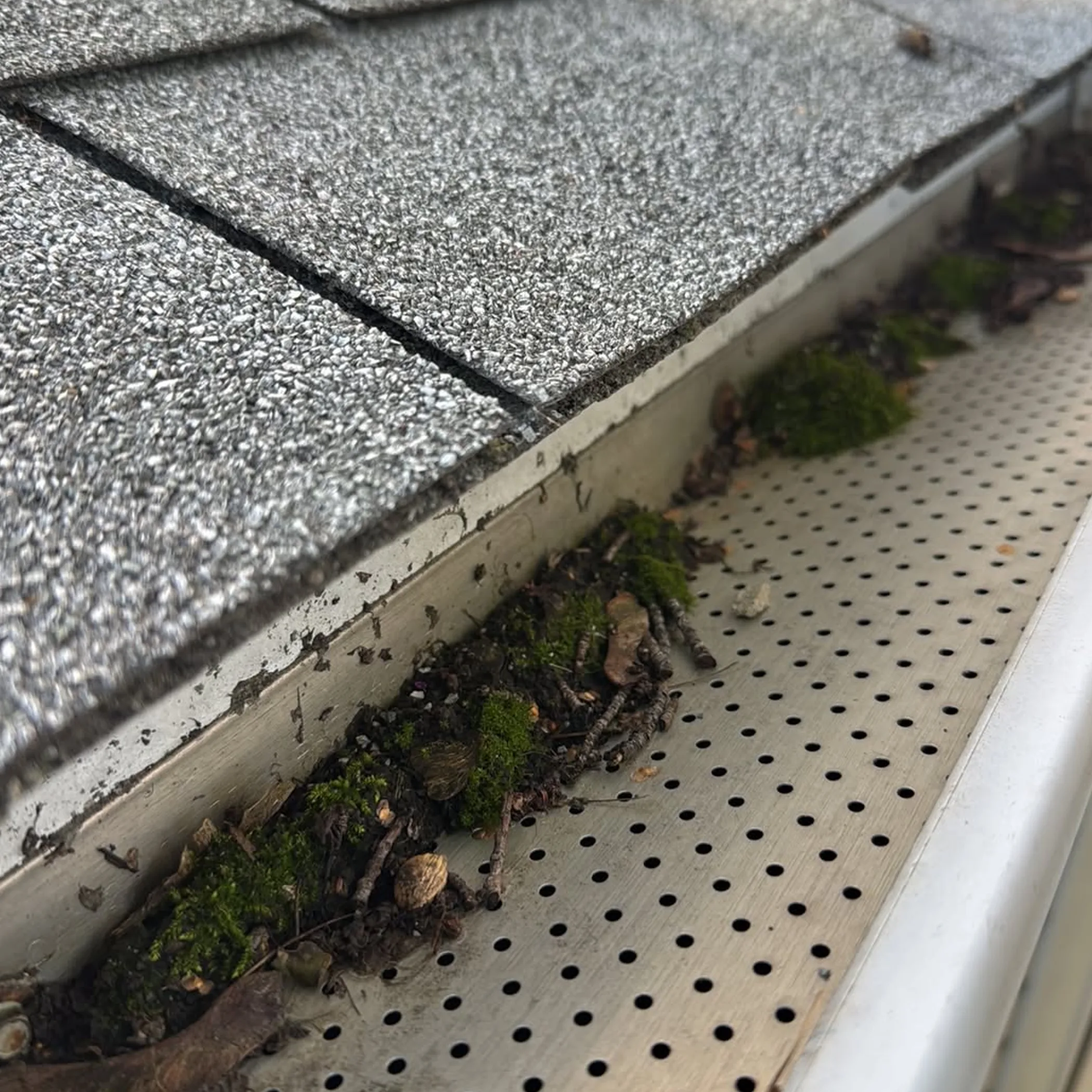
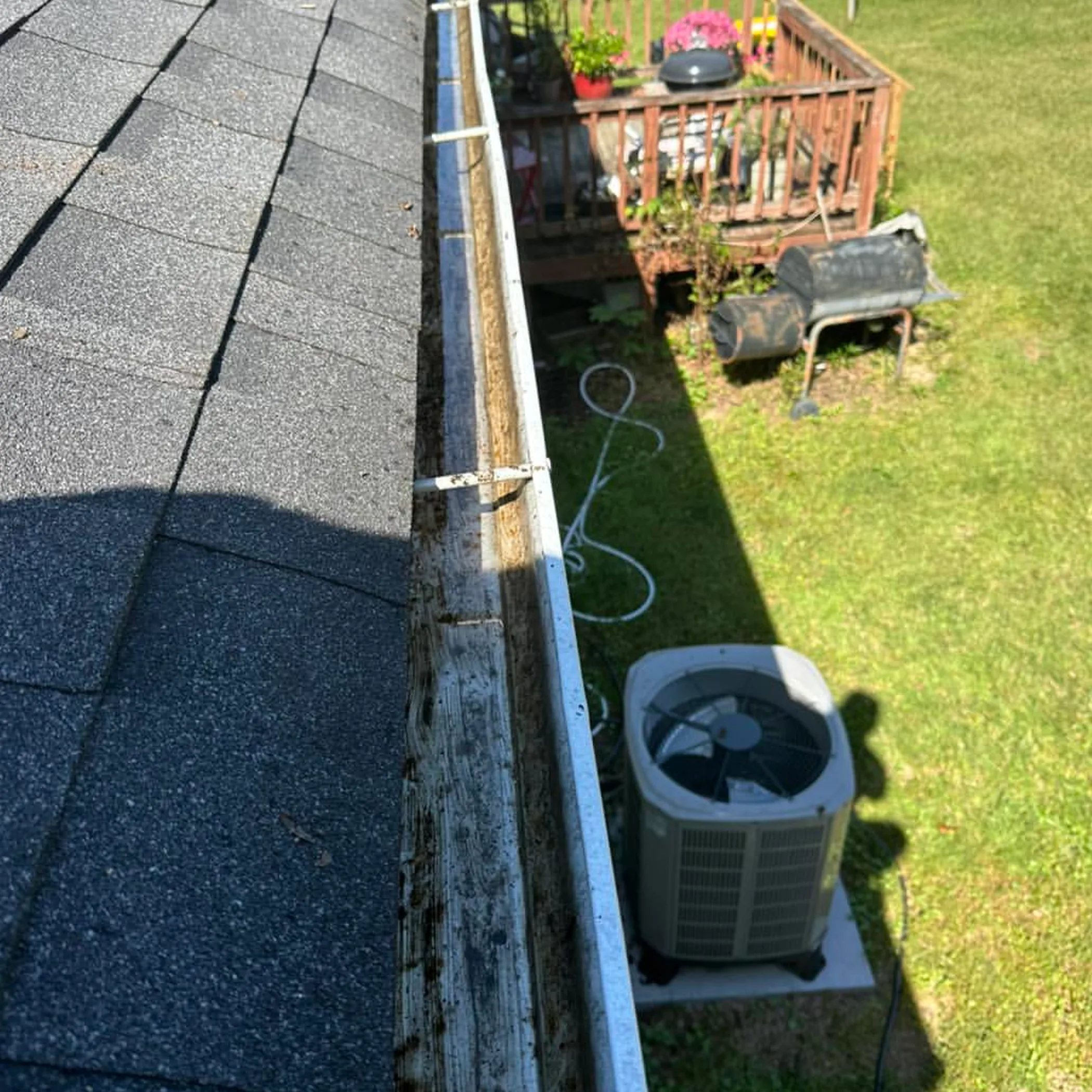
Roof water is the first big load on a system so see to the gutters in advance. A blockage will have the eaves spilling over, ruining a ceiling or putting a wall and the doors and foundations in the way of concentrated water.
Make a circuit of the house for rust, sagging, loose brackets, stains under the roof line and any joints that are overflowing. Where there is bush about, a more frequent inspection is in order come autumn or after the wind has been up. Up in cyclone country you would check your fixings ahead of the wet season and not after the first alert.
A Roof Routine That Is Safe
There is no point in lugging a ladder onto uneven ground or climbing a wet roof, and never work in the vicinity of power lines. Binoculars from the ground or a window will do. For anything steep or hard to reach, engage a maintenance man or a licensed cleaner.
Should a ladder be necessary, have another adult hold it on level ground. Put on gloves; besides mosquitoes there are sharp bits of metal, insects and all manner of decay in a gutter.
See To Your Downpipes
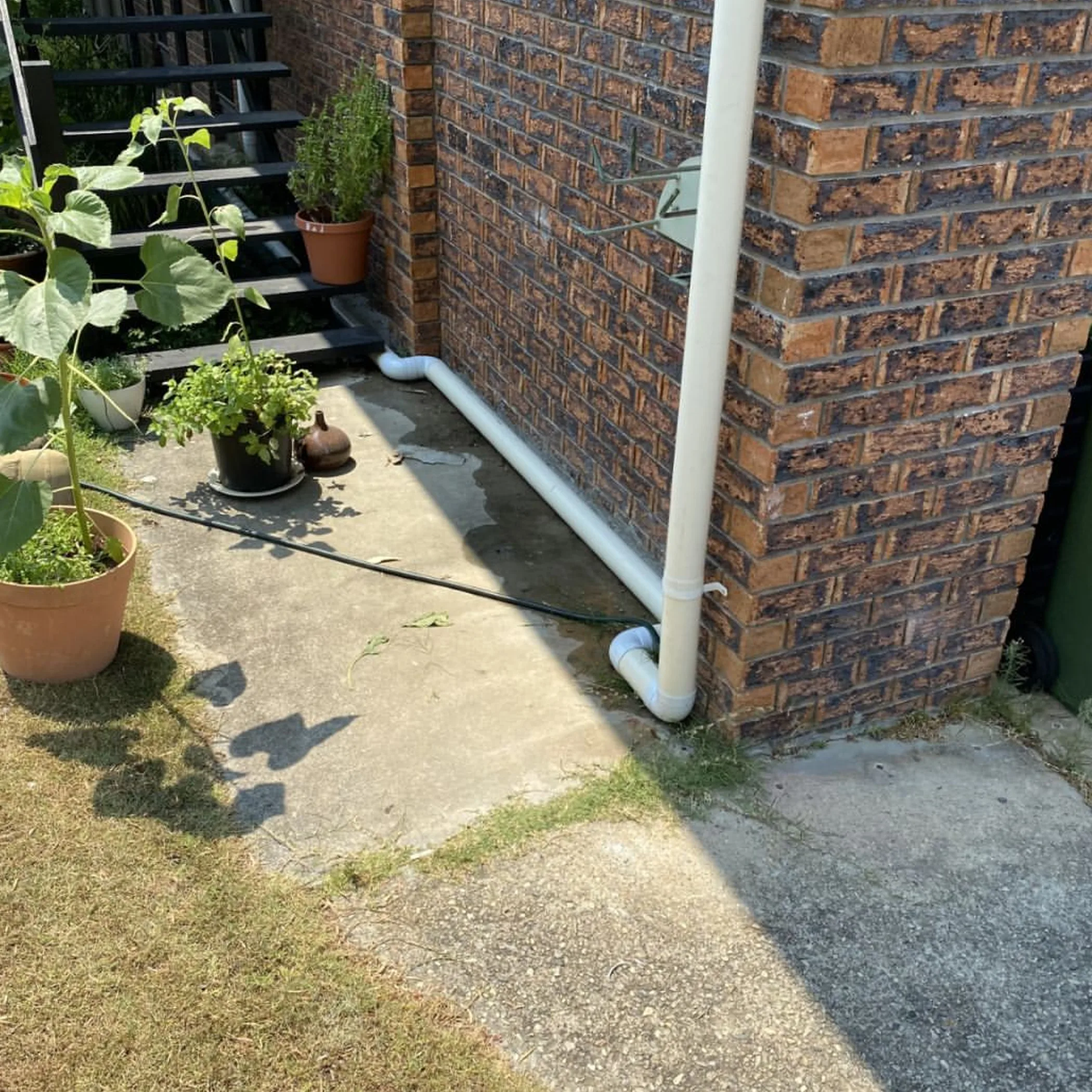
They ought to be well fixed and put their water into a tank, an approved connection or some other suitable point. Letting a downpipe finish beside the house will saturate the soil around your footings over time.
Once cleaned, put a hose through the parts you can get to and observe the water. Not something to do in a storm or if there is pooling near electrical gear. Should you find water backing up or seeping from a joint, put a call in to a qualified professional who knows the local requirements for drain maintenance.
Outdoor Drains
Stormwater pits, gully traps and the like require an unobstructed opening. You can often make quick work of the debris, especially after strong winds have put down branches and leaves, or in the run up to a storm. Surface cleaning is the way to start, not some form of aggressive digging. Put on gloves and by hand clear away any leaves, sticks or rubbish, putting them in the green-waste or rubbish bin as the case may be. Do not be tempted to shove debris into a drain; that only serves to put the problem underground where it is more costly and far less pleasant to deal with.
Stormwater Pits
One should only lift the covers on stormwater pits in dry weather and if it can be done safely from outside the pit. Under no circumstances is one to enter a stormwater pit, culvert, confined space or drain. They are hazardous places given the possibility of toxic gases, unstable sides, hidden pests and an unexpected rush of water.
Be on the lookout for standing water that lingers well after the rain has passed, as well as silt, sediment, roots and broken covers. Some water is to be expected in certain systems but if there is persistent ponding, gurgling, overflow or bad smells, call in a drainage contractor or plumber.
Gully Traps
These are there to keep sewer gas off your property yet they are prone to blockages from garden detritus and sediment. Make sure the grate is not obscured by pavers, mulch, pot plants or equipment you have put out to store.
Routine maintenance is not the time to be using chemical drain cleaners on outdoor drainage. Apart from being a hazard to those who work on the system later, they can do damage to the pipes and the environment. For a blockage that will not go away, mechanical means and a professional’s eye are preferable.
Yard Drainage
Give surface water a course to follow so it does not flood the backyard. The object is not to have a yard as level as a pancake but to see that water does not make a habit of collecting at the base of walls, garages and doors or in low spots where one might entertain.
A light rain is a good time to walk the grounds and see for yourself what the water does, better than to make assumptions when the sun is out. Note any puddles, eroded channels or settled soil and put together a rough sketch of the house and its slopes, drains and low points for a professional to understand.
Rainwater Solutions
There are ways to manage rainwater: a French drain, re-grading, a soakaway (soil and regulations permitting), a channel drain with a grate or the like to mend a surface. But they are not all the same thing. A steep block, clay or a high water table can render one approach pointless while another works well.
And before you alter a driveway, kerb or connection to public stormwater infrastructure, or put water on a road or a neighbour’s land, get in touch with the council. There are rules in place that vary from state to state and you could need their approval.
| Area To Check | What To Look For | Useful Action |
|---|---|---|
| Roof and gutters | Rust, leaf litter, sagging and joints that are overflowing | Repair as necessary and clean up in a safe manner |
| Downpipes | Blockages, loose fittings or discharge running along a wall | Reconnect or have a professional advise if needed |
| Yard surfaces | Runoff heading for the door, erosion and pooling | Put in some surface drainage |
| Stormwater pits | Debris, silt, roots, broken covers and slow drainage | Clear the debris from the top; leave deeper faults to a licensed professional |
| Low areas | Water that has not receded after rain | Look at pipe capacity, soil and whether a pump is called for |
Pumps And Water Tanks
Sump pumps and backflow devices should be tended to before there is a need for them. Left to themselves for months a pump can give out from a dead battery, a tripped power supply or a seized float switch.
In dry conditions put the equipment through its paces per the maker’s instructions. See that the hoses on the pump are in order and discharging to an approved outlet. Any permanent electrical work or wiring of safety switches is for a licensed electrician to do and connections must be kept dry.
Rainwater Tanks
An inspection of the inlets, screens, first-flush device and mosquito-proof cover is in order. While a tank will cut down on roof runoff it is no panacea for flooding; once it is at capacity it requires an overflow that is safe and does not head for the house.
Clear the screens of leaves and be on the alert for cracked fittings. If the water is for bathing or cooking, adhere to the treatment system and the health guidelines of the state. One should not think that because the water looks clear it is safe to drink.
Backflow
The right device for the job will mitigate the risk of contamination getting into a clean water system. Have a licensed plumber come and test or put in the appropriate equipment.
Specialist input on sewer surcharge and the like may be called for in the case of a home with a basement, an under-ground garage or low-lying bathrooms. A plumber will be able to put forward whether the site is suited to non-return valves, some form of sewer relief or pumping systems.
Know when to leave it to the professionals
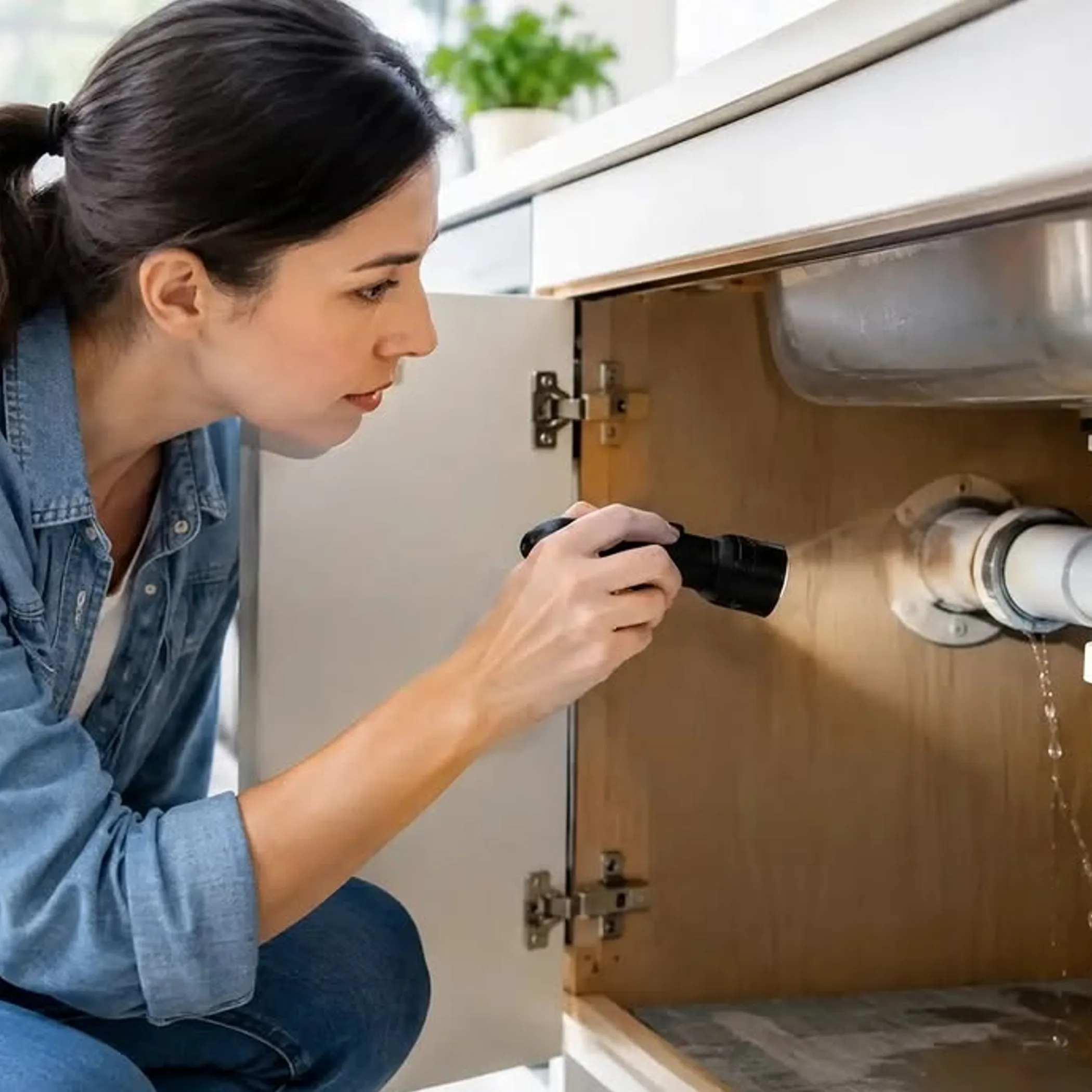
A conscientious homeowner can handle certain maintenance. But while one can put in the time to clear a ground-level grate of leaves, a different matter entirely is determining if a stormwater pipe has given way beneath the driveway. If basic cleaning does not put right a problem, or there is sewage present, water coming into the building or a drain that will not stay unblocked, then make the call to a licensed plumber or drainage expert.
There are other times professional help is in order: excavation, work at height on the roof, electrical pump issues, repairs to underground piping or anything that pertains to public infrastructure. Engage a provider with the right licence and get a sense of what is covered in the cost for inspection, disposal, repair and so on.
Warning signs of a serious fault
Sudden sinkholes, subsidence, damp walls for no reason, the odour of sewage, a toilet that bubbles or water making its way back through floor wastes and out of a sewer access point are all indicators of a system that is overloaded or damaged as opposed to a mere blockage.
Put down on record any rainfall conditions and the time of the occurrence and from a safe vantage point take some photographs; a council, insurer or plumber will want to see the sequence of events. Under no circumstances should one wade into floodwater to have a look at a drain or put in for belongings.
Dealing with storms
Safety must come before any property check once a heavy rain event is on. Make yourself scarce from open pits, fallen power lines, stormwater channels and fast water. In six inches of moving water there is danger and local conditions have a way of changing quicker than your weather app can tell you.
For a day’s preparation, the roof drainage path is where to focus. Be sure downpipes are in place, clear the gutters you can get to without risk, put debris from the drain grates and verify the pump has power. Put valuables out of reach of likely water. Photograph the property for insurance purposes.
- Heed the Bureau of Meteorology and the State Emergency Service.
- Ensure vehicles, pets and people are not in the vicinity of blocked drains or floodwater.
- Once the rain has passed, let the water and any electrical dangers subside first. Then have a look around.
- Any structural damage, sewage or an unsafe access point should be left to the professionals for repair and cleaning.
Clean up properly
Floodwater is to be regarded as contaminated, particularly if animal waste, chemicals or sewage have found their way in. Don gloves that are waterproof, good footwear and eye protection. Should anyone fall ill, obtain health advice. And do not be tempted to put power to wet surfaces or use equipment that has been damaged. The Water Services Association of Australia and the local water authorities are a resource for matters of contamination and sewer systems, as are your insurer or emergency services.
Some questions homeowners ask about preparing for heavy rain
The following are short answers based on sound safety practice, though one must still abide by plumbing requirements and the rules of the local council.
Is it a good idea to cover outdoor drains?
Not really. Putting cardboard, plastic or something heavy over a grate will impede the system and you will have more surface flooding. Leave the grate to be seen. If the cover is in disrepair, have it replaced in due course rather than make do in the middle of a storm.
What about boiling water for the drains?
It is no answer for an outdoor stormwater blockage and could harm plastic plumbing or someone further down the line. For anything that is persistent or underground, get some professional counsel and put visible debris aside.
Does a rainwater tank preclude flooding?
On its own, no. It will hold roof runoff until it is full, which can be soon enough in hard rain. There has to be a safe discharge for the overflow and adequate surface drainage on the property.
Do French drains work in every situation?
They are subject to the slope, soil permeability, groundwater and local regulations. You will not get much from them in heavy clay or with a high water table. Before you start digging close to foundations or services, have the site assessed.
When can I consider floodwater safe?
You cannot put a time on it. Even when it appears to have calmed there may be electrical hazards, sharp things or sewage in it. Wait for the go ahead from your council, health authorities or emergency services.
Make it part of the season

Regular observation and the odd early repair are the best strategy for home stormwater drainage in Australia. Have a look after big winds or before the wet season, or if you detect a slow flow or new ponding.
Harper Wainwright would put it this way: let the rainwater have its way, don’t let people near dangerous water and ring a pro before a minor blockage turns into a saga. Mopping the dunny at midnight is no way to show you have been well prepared for a flood.