It is an easy question to put forward until one sees the patio has gone green, or the driveway is sporting tyre marks fit for a speedway and the pool pavers are slick from the rain. How often should you be cleaning? The answer is straightforward for the most part: in Australia, concrete and paved surfaces call for a weekly sweep, some spot cleaning when called for, a good wash at 3 to 12 month intervals (use will dictate this) and resealing every 2 to 5 years as the material and its exposure warrant. For those curious about the best driveway washing timing, planning around seasonal variations is key.
But do not be surprised if that schedule is altered by shade, gum trees, coastal salt or leaf tannins, to say nothing of whether it is decorative pavers, exposed aggregate or plain concrete. Harper Wainwright would put it this way: it is not a matter of being fastidious so much as keeping on top of things so they do not become a rough as guts chore come the weekend.
The Importance Of Frequency
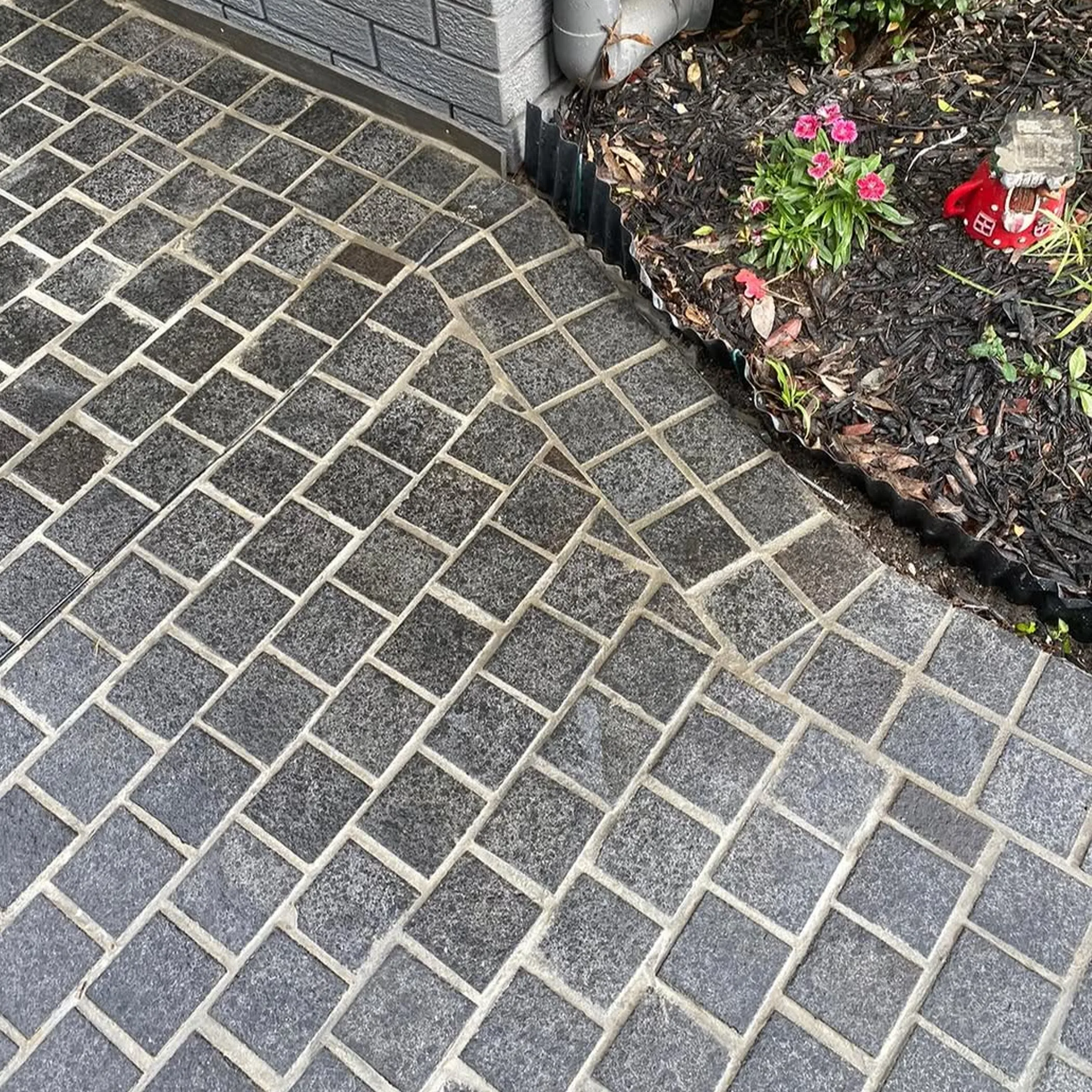
One can be forgiven for thinking dirt is merely unsightly but in fact it retains moisture, encourages mould and will stain sealers; around a pool or in the shade it makes pavers treacherous underfoot. That is what happens when you do not clean with enough regularity.
Then there is the damage done by overzealous cleaning. Go too hard with the pressure washer or use harsh chemicals on bad advice and you will etch the concrete, strip the sand from the joints and have your exposed aggregate looking old before its time.
Where People Go Wrong
They wait for the surface to be a mess. An oil stain is more of an ordeal once it has set in, moss has taken root in the joints and a warm sealed driveway has bonded with the tyre marks. Another error is to think a single pressure washing regime works for all. I have watched folks put a Bunnings machine to pool coping and soft pavers with no regard for aggression and then be mystified at the patchy finish and missing sand. There is a world of difference between a soft wash and a pressure wash that DIY literature does not make clear.
Timelines For Your Surface
For something practical, consider the surface and the life it leads. You will not treat a family driveway with two cars and a basketball hoop and a dripping gum tree above it in the same manner as a shaded, quiet courtyard.
What follows is a maintenance rhythm for an Australian home. Nothing fancy, but it will spare you some time and water and the odd bit of muttering.
| Surface | Routine Care | Deep Clean | Reseal | Notes |
| Plain Concrete Driveway | A weekly sweep; put right any spills | 6 to 12 months | 2 to 4 years (if sealed) | More traffic calls for more frequent cleaning of the driveway |
| Exposed Aggregate | Blow or sweep every fortnight | 6 to 12 months | 2 to 3 years | Be moderate with the pressure on exposed aggregate |
| Concrete Patio / Alfresco | Weekly | 6 months | 2 to 4 years where applicable | Staining is more of a risk with food and leaves |
| Pool Surround Pavers | Rinse and sweep each week | 3 to 6 months | 2 to 3 years | Essential to reduce slip; dictates how often to clean the pool surround |
| Clay Or Concrete Pavers | Sweep weekly, control weeds monthly | 6 to 12 months | 2 to 5 years | Shade and loss of sand will vary the paver cleaning frequency in Australia |
| Commercial/High-Traffic | Weekly inspection | 1 to 3 months | As per wear and coating type | Professional pressure cleaning is often in order |
More Attention For Driveways
The driveway takes the brunt of it in most homes. Between the full sun and foot traffic, fertiliser and oil drips and tyre marks, pressure washing is a more regular affair than one might think. Six to 12 months for a thorough job is sound practice, though 3 to 6 is better if you have several vehicles or the likes of overhanging trees and rain splash. When in doubt as to the best time to wash the driveway, aim for after the leaves have fallen in the dry or prior to entertaining season.
Pavers Are Not All The Same
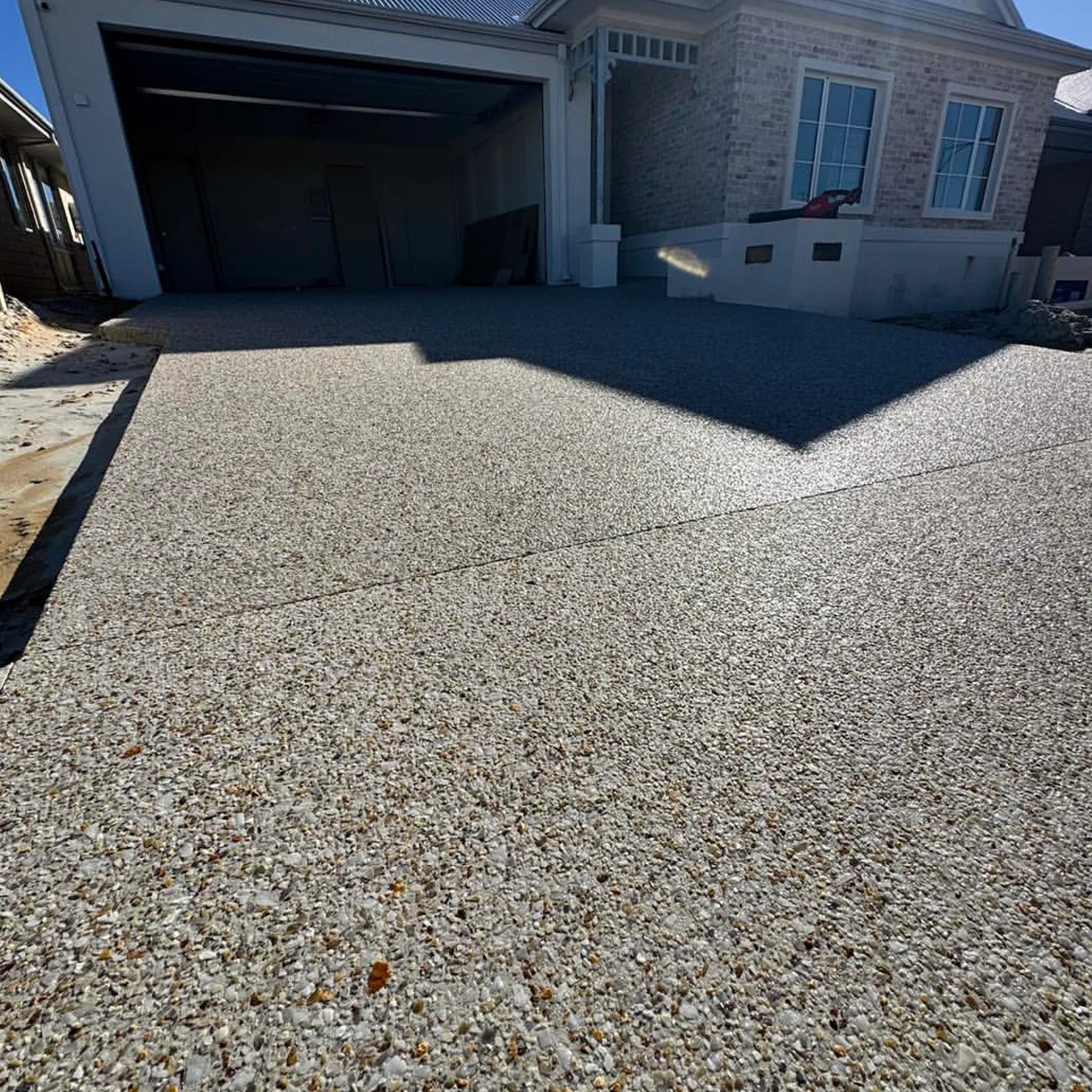
As for how often to clean them, porosity, sealers and joint sand are the deciding factors. You will find different finishes with Anston, Boral, Adbri Masonry and the Australian Paving Centre so applying the same detergent and pressure is not going to be appropriate in every instance. A sensible concrete maintenance schedule is a matter of practicalities: you might only put a hose to a sunny, paved path for a good wash once in 12 months, but a shaded courtyard full of leaves will call for your attention at three to six month intervals.
What dictates the timing
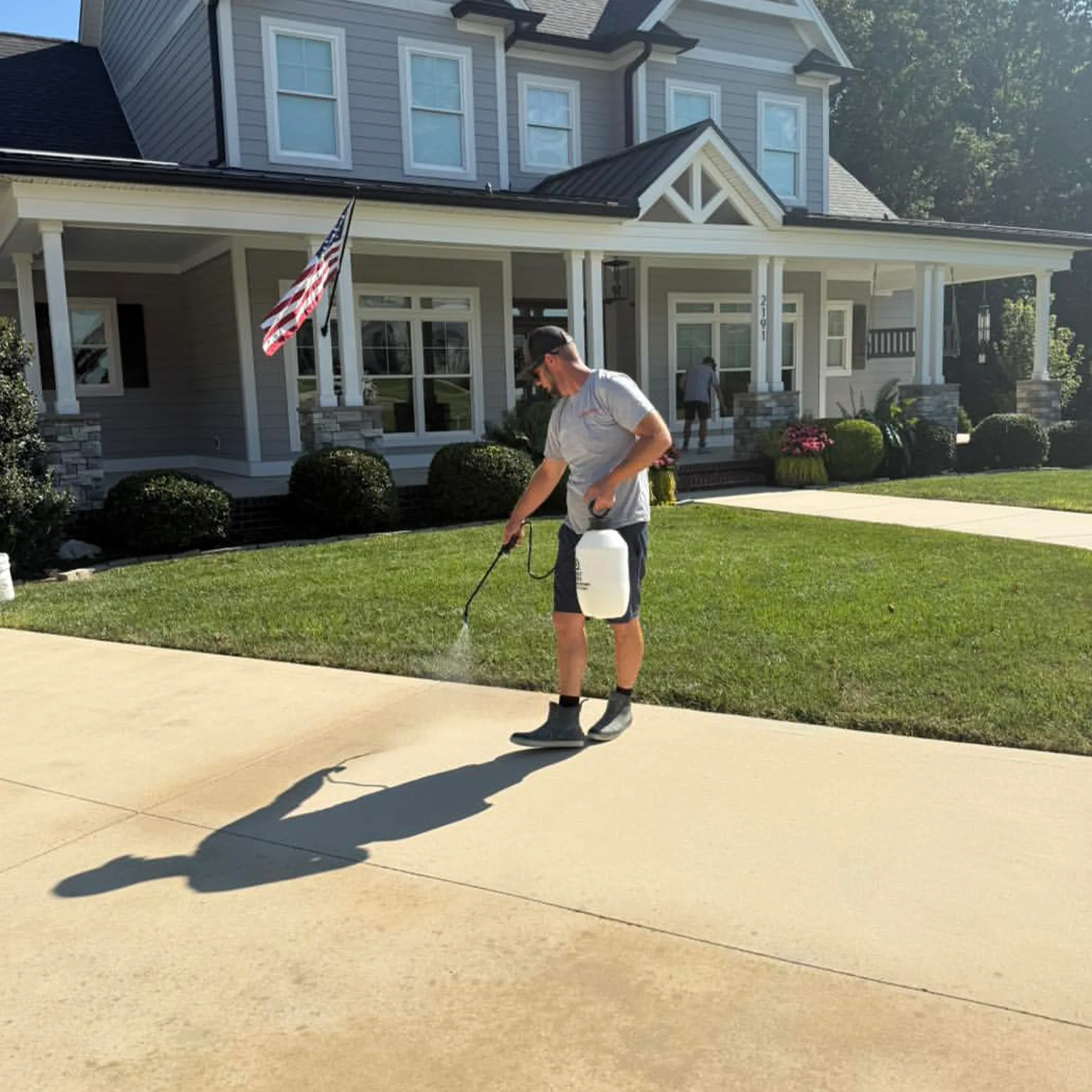
Then there is the climate. Australia is not monolithic in that regard and it makes a difference. A paving in coastal Queensland with its wayward humidity is not the same as a dry one in the country or a southern driveway taking its share of winter rain and tannin stains.
Weather is only half of it; usage is equally important. There is all the difference between an ornamental path left alone and a driveway where the ute has been leaking, the dog has tracked mud and the children have hauled their bikes over it.
Shade, Trees And Drainage
When it comes to getting rid of moss and algae, shade is the enemy. Leave a surface damp after a rainfall and you can count on a quick green build-up and having to clean more often. Then poor drainage will weaken the jointing sand and leave dirty tide marks.
Gum trees, jacarandas and the like are another matter with their sap, blossom and leaf litter. Under a heavy canopy of fruit trees, paver cleaning frequency in Australia is bound to be every 3 to 6 months rather than once a year.
Local Conditions
Algae and mildew make an earlier appearance in the tropics and humid coasts. In the bushfire zones summer brings a coating of fine ash and dust to outdoor areas. The south sees more of a risk of slipping from the low sun and moisture in winter.
The Bureau of Meteorology’s figures for the time being still point to considerable seasonal variability across the land, something to bear in mind for planning any drying or cleaning. One would do well to consult their weather and climate data on humidity and rainfall before setting about pressure washing or sealing.
Choosing The Right Method
One should employ the least aggressive means to see the job through. Begin with a dry start and gentle washing, reserving the full force of a pressure cleaner for the worst of the grime. It is a mistake some weekend warriors make to let a machine give them ten minutes of invincibility, only to find etching, furred up surfaces or lines in the joints.
Sweeping, Washing And Spot Work
It is not very glamorous but routine sweeping is the most economical way to put off a deep clean. Do it weekly to get the grit and seeds before they take hold. Better yet, spot clean a spill of cooking oil or pot plant residue right away. For lightly soiled concrete a stiff broom and garden hose will suffice, perhaps with a pH-neutral product. Contractors have Dulux, DeckSeal and other specialist systems to hand which can be of use, provided the substrate and sealer are taken into account.
Pressure Wash With Care
A rotary surface cleaner is a safer bet for anything embedded than a narrow wand tip, being more even and sparing with the splashback. As for how often to have a driveway in Australia pressure washed, it is better to do it properly and infrequently than to blast at it with abandon.
There is no one PSI setting that is safe for every slab, given the age of the concrete and the nozzle. Sealed pavers or soft stone-look aggregate demand a lighter touch than hard plain concrete. When in doubt, try a patch out of sight.
Stains To Put Right
Dust can be ignored for a while, but not oil, rust or slippery algae which become more of a chore the longer they are left. Reality can intrude on expectations here; a thorough going over will put miles on the look of a surface but old stains on a porous paver may not be banished altogether.
Oil, Tyres And Rust
With a fresh oil stain, put down some absorbent and then a degreaser. Scrub and rinse and if need be go over it again; flooding it will not work. Old oil may require a professional. Hot weather makes tyre marks on a sealed driveway more tenacious as the rubber takes to the warm surface. Rust from a bit of furniture or fertiliser has a habit of biting into concrete. The point is that spot cleaning is much quicker than trying to restore the whole thing.
Algae Around Wet Areas
The areas you are most likely to put at risk of a slip are the pool surrounds and any side paths in the shade. By the time pavers are slick to walk on, one has already waited too long; it is better to get on top of the growth, see if drainage can be made better and adopt a more frequent cleaning routine.
In an Australian home for instance, a 3 to 6 month interval for the pool surround pavers is what one might expect, with some brushing and a hasty rinse from time to time. Where there is a salt pool, rinsing will do much to keep residue at bay.
Sealing: A Way to Avoid Future Work
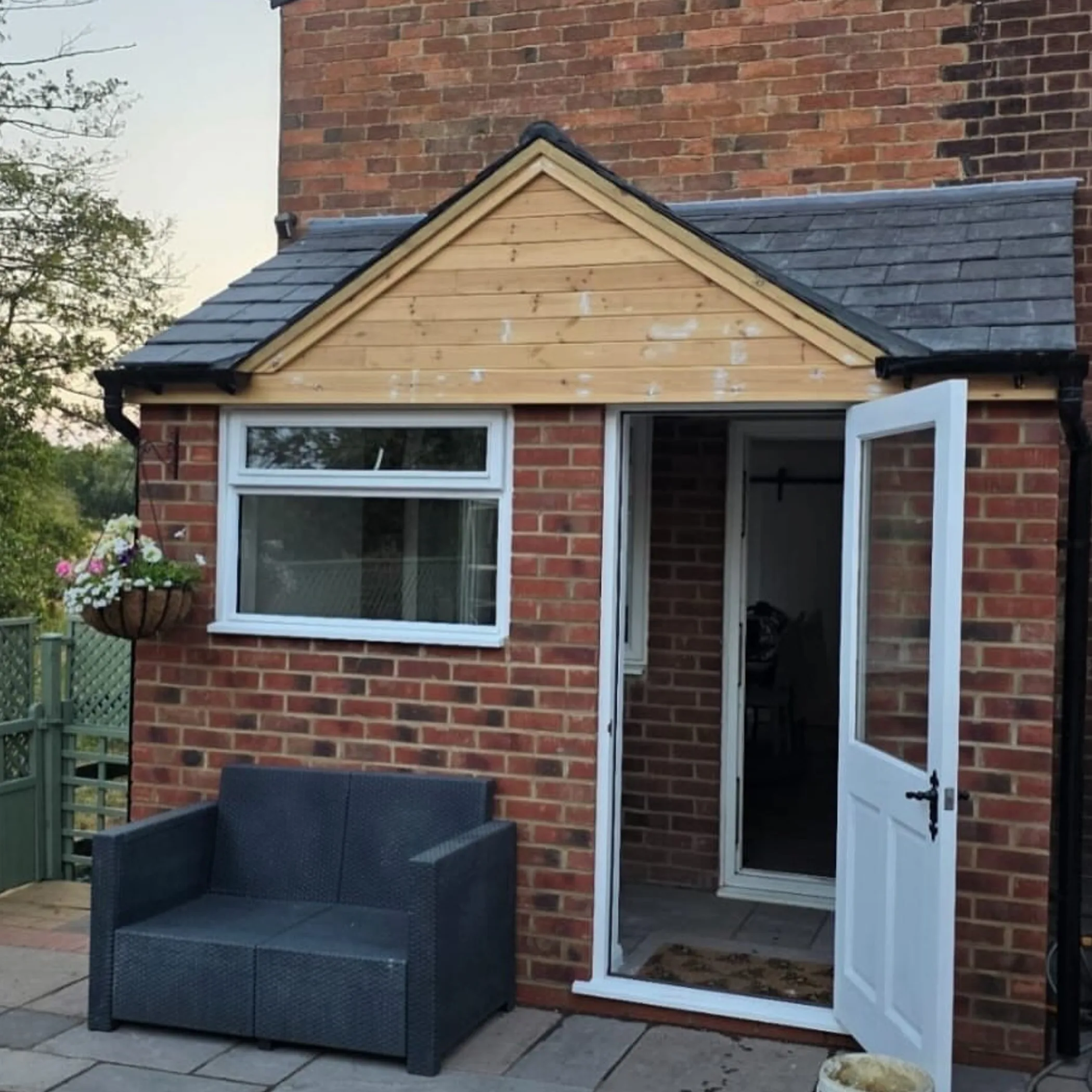
Consider sealer a helper rather than some kind of magic shield that renders a surface maintenance-free. It will not do away with the need for upkeep but it does make the job of cleaning less arduous and staining not so bad. The mistake people make is to put sealer down on something damp or unclean. This can impede bonding, cause whitening or even entrap stains. Be patient.
Resealing
For the average residential surface, 2 to 5 years is the norm before resealing is called for, contingent on the product and how much UV and traffic it sees. An exposed, sun-beaten area of concrete will want reapplying of its sealer in short order. You will know when the time has come: water will soak in as opposed to beading up, the pavers will have a dull, patchy look, dirt clings to them and you find you have to work harder to remove a stain. Of course the system and brand will differ, be it from Resurfaced.au, ProConcreting, Civilcraft, WashRite or BestInOzCleaning affiliated trades, so consult the product guide.
Upkeep That Makes Sense
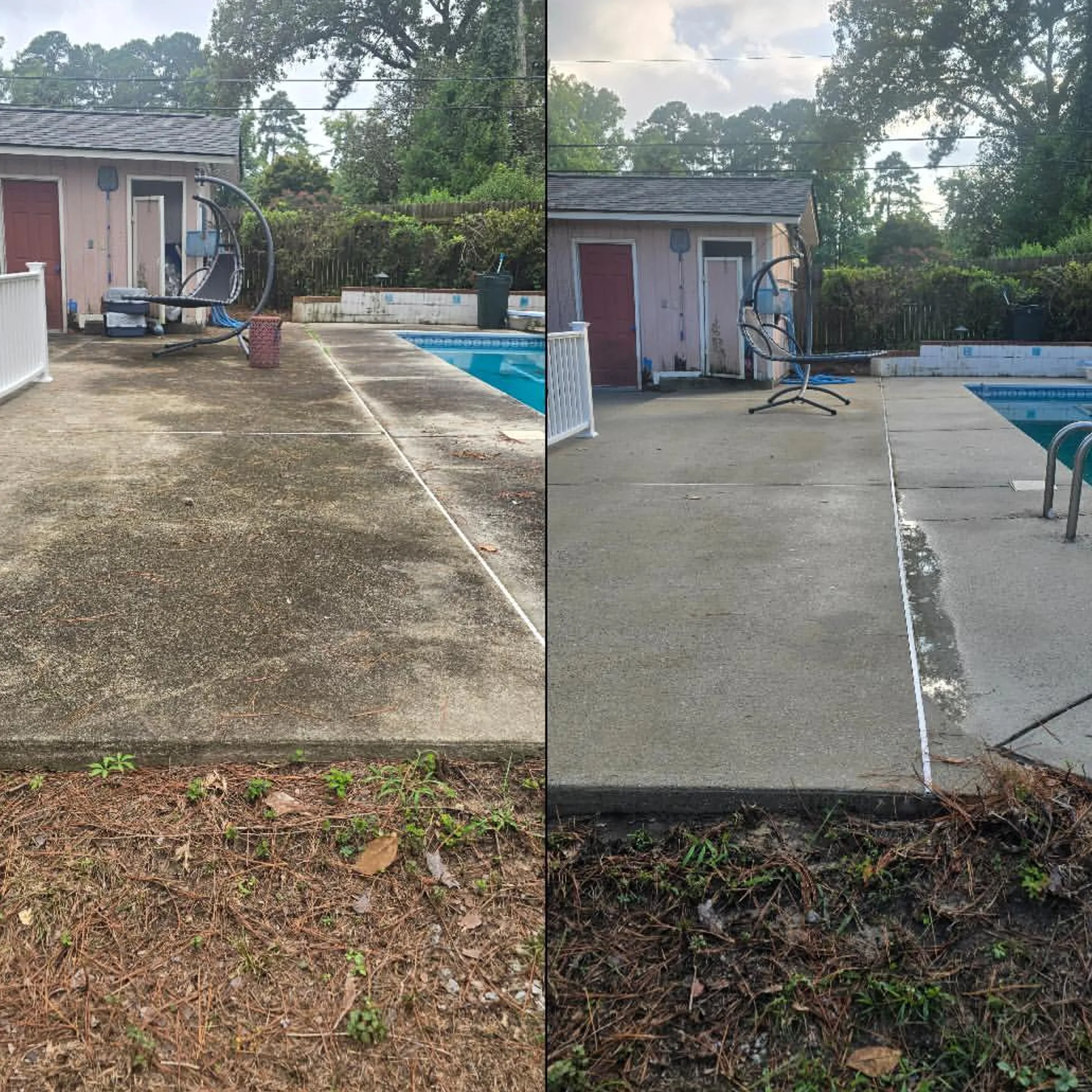
There is no call for a military roster to see your concrete stays in good shape. Find a rhythm suited to your home and the vagaries of the weather and life’s messiness. Should you have but a day, put in a small, sensible session on the highest risk zone, be it the driveway with its propensity for stains or the pool for being slippery, instead of putting the whole thing off because it seems a big task.
- Weekly: a spot of sweeping to clear leaves, a rinse of the pool and a check for anything giving way underfoot is in order, as well as tending to spills.
- Monthly To Seasonally: have a look at the drainage and the sealer, weed the joints, give the high-use spots a wash and put an annual deep clean on your seasonal to-do list.
Time And Cost
Deep clean a moderately soiled suburban driveway and you are looking at 1.5 to 3 hours, more so with oil and algae in the mix. A paved courtyard could be 1 to 2 hours, then you must allow for drying before applying sealer. Humid conditions or moving furniture will add to that. As for DIY, cleaners, degreasers and sand for the joints will set you back between AUD 20 and 80, machine hire aside. Throw in a rotary surface cleaner and the price of a pressure washer and the tab goes up. Homeowners will often consider the cost of a professional against the water use and equipment bother, and the chance of spoiling a sealed finish.
When to Put it in Someone Else’s Hands
If the surface is extensive, or you cannot be sure of the finish, or it is a case of heavy staining or recent sealing, a professional spares you the expense of guessing. The same goes for efflorescence, deep rust, broad oil marks or if you have doubts about the drainage. There is no honour in making a Saturday of it and turning a problem that was manageable into something worse.
Who This Guide Suits
This is a guide for the homeowner, landlord or small business of a mind to have a pressure washing schedule that is realistic and not overdone. One would not want to use this on heritage or specialty stone, nor in a commercial setting where runoff is stringently controlled; site-specific counsel is of more value there.
Then there are the professionals who will put the material and surface to the test, pick their detergents, set the machine and see to the containment of any runoff. They do so for good reason: knowing what to eschew when cleaning concrete is as vital as knowing what to employ. The wrong application of strong acids or a bleach-laden mix, high pressure applied too near the face of the work, or a wire brush on something delicate are all too easy ways to cause damage that could have been put off.
Australian Conditions To Remember
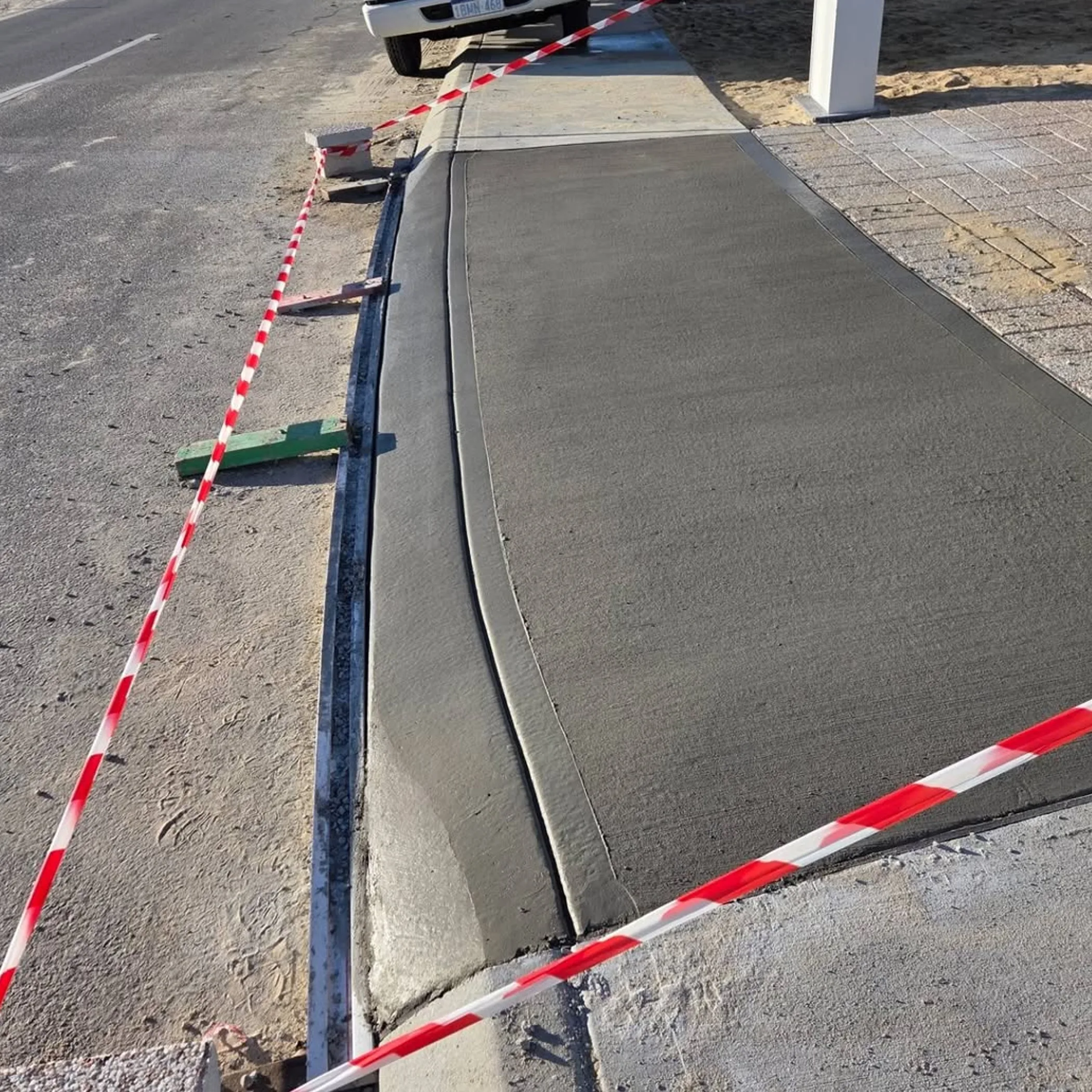
The local conditions and rules will dictate your approach. Some councils have water restrictions that put a curb on the hose, while stormwater regulations may preclude certain types of runoff from going into the drains. As for product, you will find the major retailers like Bunnings have most of the basics in stock and the likes of Boral, Anston, Adbri Masonry and Australian Paving Centre tend to put out care guidance for their own lines. But if you know the make of the surface, refer to the manufacturer’s notes.
- Try the gentler method first.
- Clean faster in humid, shaded and high-traffic areas.
- Let the surface dry completely before resealing.
Final Takeaway
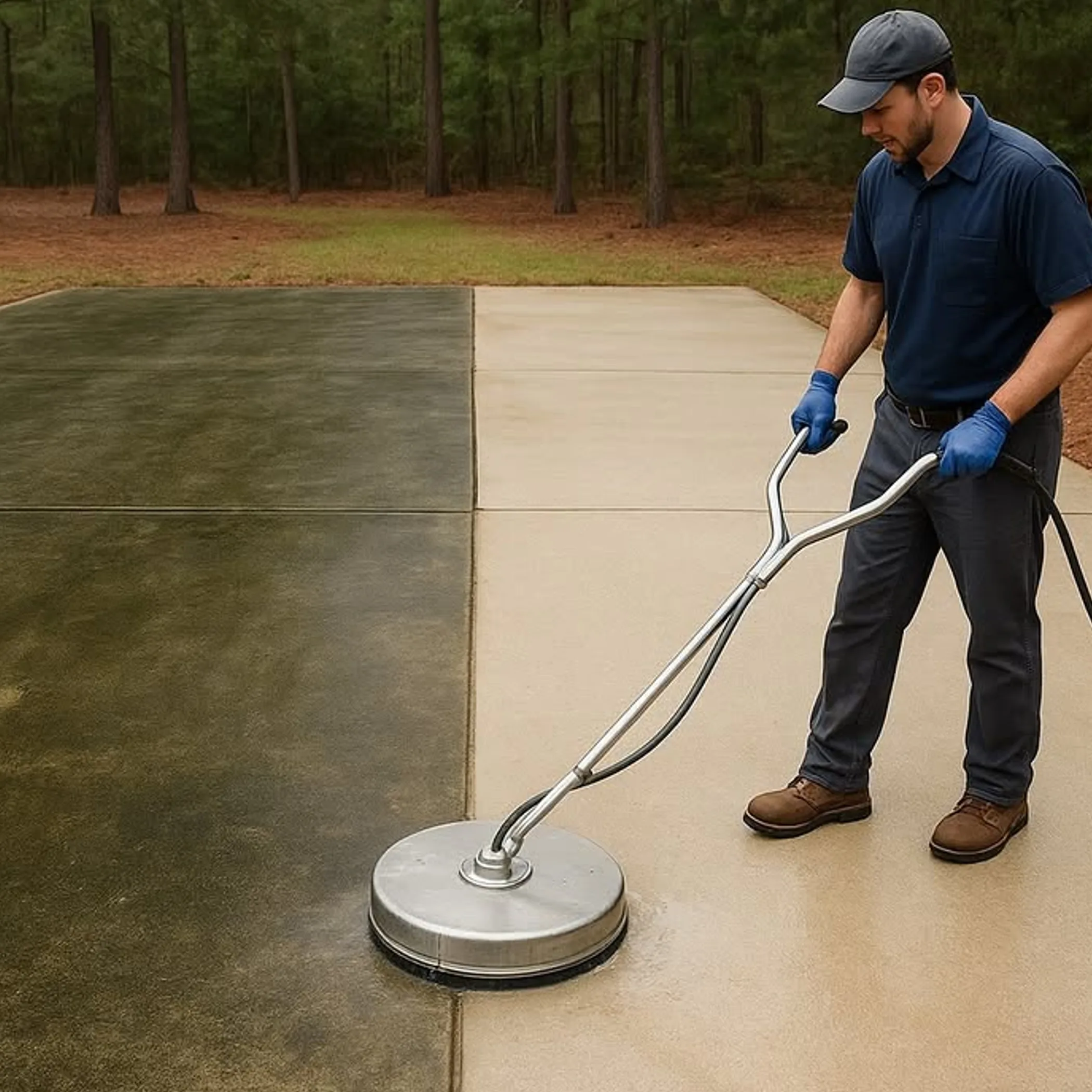
The short of it is this: for a no-nonsense routine, sweep on a weekly basis and put an end to spots right away. Do a thorough job on the pavers and concrete every 6 to 12 months, or every 3 to 6 if they are in a wet or shaded spot, and plan to reseal in 2 to 5 years as wear dictates. It is a sensible way to steer clear of overkill or neglect.
Harper Wainwright might liken proper outdoor upkeep to packing for a road trip in that it is not complicated, simply a matter of tending to the obvious at the right time. Get the mess off before it has a chance to set and keep it dry; the concrete will be neater and safer and you will have less of it to contend with down the track.
FAQ
The sort of thing one puts to paper after the driveway is half cleaned and the hose is already out.
What Is The Best Thing To Clean Concrete Pavers With?
Warm water and a pH-neutral cleaner made for masonry outside will do for ordinary dirt, along with a stiff broom. A degreaser is called for with grease. Err on the side of mildness to start with since you do not want to harm the sealers, jointing sand or plants with something stronger.
How Long Does Pressure Washed Concrete Last?
Anywhere from a few months to a year before it does not look as fresh. It is a matter of whether it is sealed and the amount of shade, weather and traffic. You will get more out of it in an open, sunny spot than in a damp one where algae and grime make a quick comeback.
What Not To Clean Concrete With?
Do not put harsh acids, metal brushes or excessive pressure to a decorative finish. Overly potent bleach mixes will do the same. These things will etch the concrete, loosen the paving joints and strip the sealer. Unless the label is unambiguous about its suitability for concrete and pavers, do not make an assumption.
How Do Professionals Clean Concrete?
They will have a look at the material to begin with and pre-treat any stains. After applying the appropriate detergent they clean with a rotary surface cleaner for uniformity and regulated pressure, and manage the runoff. If the surface warrants it they will re-sand or put down a new sealer.
How Often Should Exposed Aggregate Be Cleaned?
Every 6 to 12 months is typical for a home, with some sweeping and spot cleaning in between. Make it every 3 to 6 months if it is under trees, by the pool or in the shade.